
Blue Salt And Chakra Healing Benefits
Blue salt draws attention not just with its eye-catching color, but also because of the unique properties and cultural meanings attached to it. If you’re curious about natural wellness or holistic health, you may have heard about blue salt’s potential uses in chakra healing. Here, I want to share my experience and research into this fascinating mineral. I’ll cover what it is, how people use it for healing, and what you need to know before trying it out.
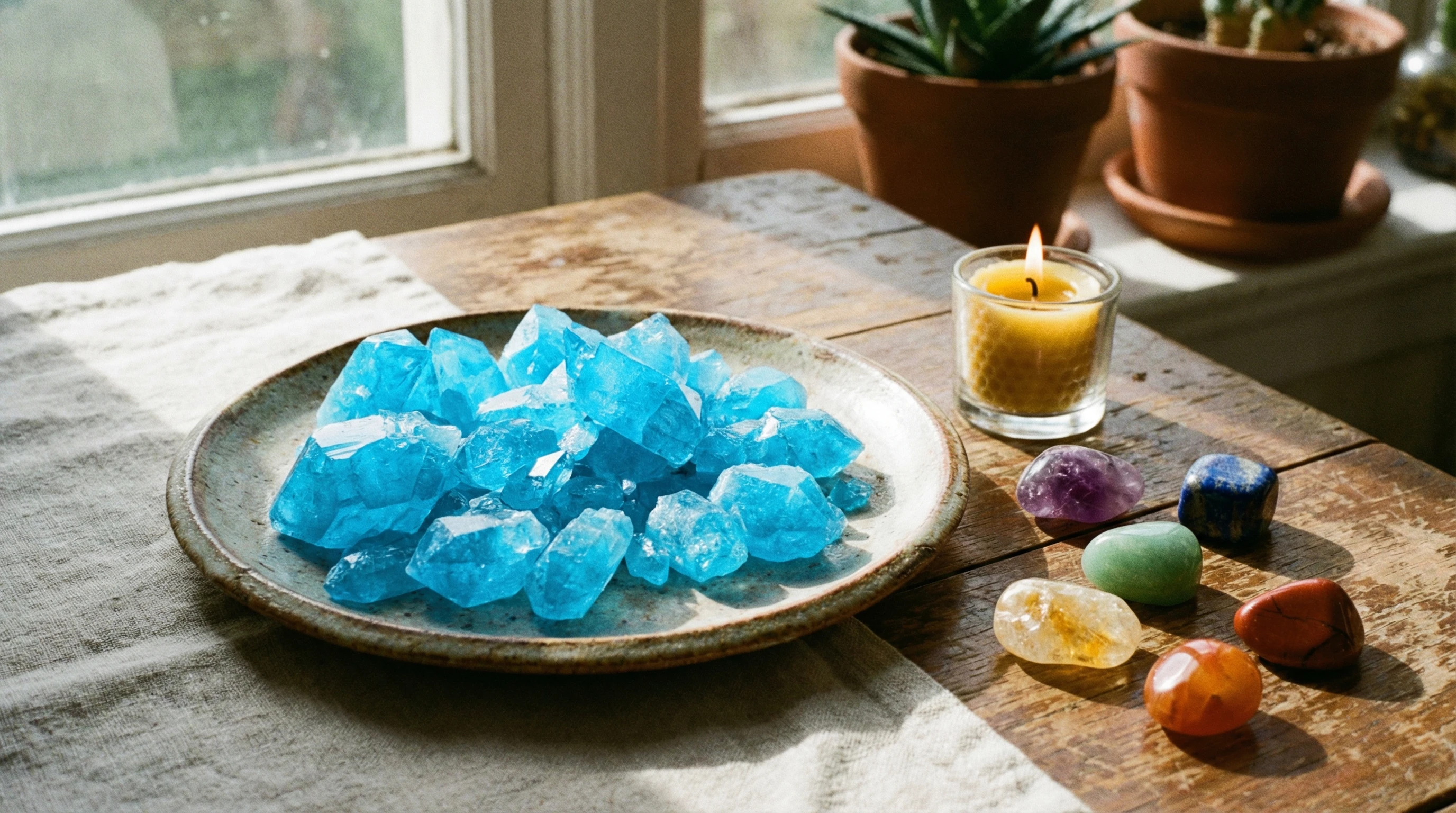
What Is Blue Salt?
Blue salt, sometimes called Persian blue salt, is a rare mineral salt sourced from salt mines in Iran. The natural blue color comes from trace amounts of potassium, which makes it different from the usual table salt or even Himalayan pink salt commonly found in stores. The blue hue isn’t just visually striking; for many, it creates a sense of mystery and luxury. I’ve seen blue salt sold in specialty shops where it’s marketed both as a gourmet ingredient and a tool for energy work and spiritual healing.
Historical and Cultural Meanings of Blue Salt
Many cultures have treasured salt for its symbolism as a purifier and preserver. Blue salt, in particular, is popular in the wellness community for its supposed energetic qualities. Some traditions connect blue salt with the throat chakra (Vishuddha), believed to be the center for communication and self-expression. In my own exploration, I’ve witnessed blue salt used during meditation and healing rituals, often alongside other blue stones like sodalite or lapis lazuli to give a boost to its effects.
Because blue salt is rare and comes from a specific geographic area, it has a reputation for being special or especially potent among those practicing chakra balancing or energy healing. Still, it’s important to remember that while blue salt carries symbolic meaning, any healing effects should be viewed as a part of a holistic approach, not a guaranteed solution.
Blue Salt and Chakra Healing
The chakra system originates from ancient Indian spiritual traditions and describes seven main energy centers in the body. Each chakra links up with particular organs, emotions, and colors. The throat chakra, located in the middle of the neck, connects with the color blue and is considered important for honest communication, speaking your truth, and creative expression.
Using Blue Salt for the Throat Chakra
When people use blue salt in chakra healing, they often focus on the throat chakra. Common practices include:
- Salt Baths: Some folks prefer dissolving a small amount of blue salt into a warm bath to soak in, with the belief that the mineral properties and blue color help to clear blocked energy around the throat area.
- Room Cleansing: Sprinkling blue salt around a meditation space is sometimes said to purify negative energy and inspire open communication.
- Salt Bowls: Keeping a bowl of blue salt near where you work or practice yoga can serve as a reminder to speak honestly and express yourself clearly.
From my own experience, simply mixing this salt into a bath or placing it nearby creates a calming atmosphere—even if you don’t take chakras literally. The ritual helps set a mindful intention, which is key during meditation or relaxation.
Blue Salt’s Nutritional Value
Blue salt is still sodium chloride at its core, similar to other gourmet salts like Himalayan pink salt or sea salt. The blue color happens thanks to natural mineral trace elements, especially potassium. Here’s what stands out about blue salt’s nutritional content:
- Sodium: Like most salts, blue salt is high in sodium. People watching their sodium intake should treat blue salt as they would any other salt.
- Potassium: The traces of potassium are what give blue salt its signature color. Potassium is important for muscle and nerve function, but the actual amount in a typical serving of blue salt is very small.
- Magnesium and Calcium: Small amounts of other minerals can naturally occur but are not present in high enough quantities to really change most diets.
Gourmet salts like blue salt add eye-catching flair but don’t provide big health differences compared to other salts. I sometimes use blue salt for finishing dishes because it’s beautiful and adds charm to meals, but I don’t count on it for nutrition. If you choose to use blue salt in cooking, remember to use it sparingly, just as you would any salt.
How to Use Blue Salt at Home for Chakra Healing
It’s easy to bring blue salt into your daily routine. If you’re interested in chakra healing or just want to try something calming with a luxurious feel, here’s what’s worked for me:
- Create a Peaceful Space: I place a small dish of blue salt near my workspace or meditation spot. Seeing it reminds me to stay mindful about how I communicate with others throughout the day.
- Bathe with Blue Salt: Once a week, I sprinkle a pinch of blue salt into warm bath water, set an intention to release tension, and focus on honest self-expression.
- Use During Meditation: Holding a few crystals of blue salt or just focusing on the blue color can guide meditation. I picture the blue hue radiating around my throat, encouraging clear speech and self-trust.
Anyone can try these routines at home, as long as you’re safe. Don’t eat large amounts of blue salt or use it to replace medical or mental health help. Its real value is as a supportive tool in your wellness practice and helps set relaxing intentions.
Common Considerations Before Using Blue Salt
It’s easy to get swept up in wellness trends, but I’ve learned to approach new healing products with curiosity and a bit of caution. Here’s what to keep in mind if you’re thinking about trying blue salt:
- Source and Authenticity: Blue salt’s rarity and price mean you should research before buying. Some sellers might offer dyed salts instead of real Persian blue salt. Always check reviews and product details to make sure you get the real thing.
- Health Precautions: Like any salt, overuse can impact blood pressure and kidney function. If you’re on a low-sodium diet or have health concerns, ask a healthcare professional before adding new salty products to your routine.
- Mindful Use in Healing: Blue salt brings a calming vibe and gives a boost to intention-setting, but it’s not a replacement for therapy, medicine, or working directly on your communication habits. It can be a fun part of self-care or wellness, but it should be just that—a supportive extra.
Spotting Fake Blue Salt
Since blue salt’s natural origin makes it rare, fake products sometimes show up online or in specialty stores. Authentic blue salt usually features a mottled or patchy appearance. The blue streaks in real salt aren’t perfectly even or vivid, while dyed versions are often overly bright. Genuine crystals are often irregular, unlike the regular granules of table salt. Taking the time to check these features can help you track down authentic blue salt for your rituals or recipes.
Tips for Getting the Most Out of Your Blue Salt Experience
After working blue salt into my wellness practice over the past year, I’ve picked up a few ways to really enjoy it without overcomplicating things:
- Pair with throat chakra affirmations, like “I express myself clearly and confidently.”
- Use blue salt at select times—after a tough conversation or before creative work—to make the moment more special.
- Check out throat chakra practices so you can build a routine that really suits your style and outlook.
Personally, I like to blend these small rituals with other blue stones or calming essential oils like lavender for a more rounded, relaxing experience. Most importantly, I try to stay present, noticing how the color and texture of blue salt encourage a peaceful, clear-headed mood.
Frequently Asked Questions
What makes blue salt different from regular salt?
Blue salt gets its color from trace minerals, mainly potassium, in the salt. While it tastes a lot like regular salt, its rare and unique look makes it popular for both cooking and spiritual practices.
Is it safe to eat blue salt?
In small amounts, blue salt is as safe as any naturally harvested salt. If you need to watch your sodium, use it sparingly and ask your doctor if you have questions about salt in your diet.
Does blue salt really help with the throat chakra?
There’s no scientific evidence that blue salt directly affects the chakras. Many people find the ritual, paired with the color symbolism, helpful for mindfulness, self-reflection, and solid intention-setting around communication.
Can I use blue salt for all chakras?
Blue salt is mainly associated with the throat chakra, but if you enjoy the ritual or color for other kinds of meditation or wellness, feel free to use it wherever it feels right in your routine.
Blue salt can add something special to both the kitchen and your wellness rituals. It offers beauty, tradition, and personal meaning in equal measure. My experience with blue salt in chakra healing has opened up new ways to practice mindfulness and find calm in a busy world. While it isn’t a miracle fix or a cure, it makes a unique addition to the toolkit of anyone focused on self-care, exploring spiritual practices, or adding some next-level cool to creative cooking.
I have to admit, I’d never even heard of blue salt before reading this, so that alone pulled me in. I liked how you explained it in a way that didn’t assume everyone already knew what it was or why it mattered.
What really worked for me was the practical tone. It felt less like a sales pitch and more like someone sharing something they’d actually discovered and found interesting. I’m always a bit skeptical of “new” wellness ingredients, but this made me curious enough to look a bit deeper rather than scrolling past.
Thanks for introducing something genuinely new to me and keeping it grounded and easy to read. That’s not always easy to do.
TIGA, I really appreciate this comment — especially your honesty about skepticism. That’s healthy. In the world of wellness, discernment is just as important as curiosity.
Blue salt isn’t something most people grow up with, so if it caught your attention simply because it was new, that tells me the article did its job. My intention was never to present it as a miracle substance, but as an energetic and mineral ally that can be explored thoughtfully.
You touched on something important — tone matters. When we talk about chakra healing, it’s easy for things to drift into hype or mystique. I try to approach it from the perspective of lived experience and energetic observation rather than exaggerated claims. Minerals, salts, colors — they all carry structure. And structure affects both the body and the nervous system in subtle ways.
It’s also wise to question “new” wellness ingredients. Often they aren’t actually new at all — just newly marketed. Blue salt, for example, has geological uniqueness and mineral variation that makes it interesting, but it doesn’t replace grounding basics like breath, hydration, or awareness. It can complement, not substitute.
I’m curious — what part made you want to look deeper? The mineral composition? The color association with specific chakras? Or the practical everyday uses?
Conversations like this are what keep energy healing grounded and evolving. Thank you for engaging with it thoughtfully.
This was such an interesting and grounding read! Thank you for explaining the benefits of blue salt in the context of chakra healing so clearly. I appreciated how the article tied together both the energetic and physical aspects of blue salt, making it feel accessible rather than abstract. The connection between cleansing energy fields and supporting emotional and spiritual balance really stood out to me, especially when paired with intentional practices like breathwork or meditation.
I’m curious, for someone new to chakra healing and blue salt, what’s one simple practice you’d recommend to start with that helps someone become more aware of energetic shifts in their body?
Jennifer, thank you so much for this thoughtful and beautifully attuned reflection. I really appreciate how clearly you articulated the bridge between the energetic and the physical—that balance is exactly what I aim for in this work.
For someone new to chakra healing and blue salt, I’d suggest starting with a very simple sensory-based practice, because awareness grows best when the body feels safe and grounded.
A gentle place to begin is a blue salt grounding bowl ritual:
Place a small bowl of blue salt in front of you or hold it in your hands.
Sit comfortably and take three slow breaths, letting your exhale be slightly longer than your inhale.
As you breathe, simply notice where your body feels settled and where it feels tense, heavy, or active—without trying to change anything.
Imagine the blue salt quietly drawing excess or scattered energy downward, like weight being released from your shoulders or chest.
Stay with this for 2–3 minutes, then check in again with your body and emotions.
The key isn’t to “feel something dramatic,” but to notice subtle shifts—temperature changes, softening, deeper breathing, or a sense of calm clarity. Those small signals are often the first language of energetic awareness.
Paired with breathwork or meditation, blue salt works almost like a translator—helping the nervous system and energy field speak the same language. Over time, those subtle cues become much easier to recognize and trust.
Thank you again for engaging so deeply with the work and for asking such a grounded, meaningful question.
Blue salt has gained attention in holistic wellness primarily for its symbolic connection to calmness, clarity, and practices related to the throat chakra, rather than for its proven physical healing effects. Its rare blue colour and mineral origin make it appealing for meditation, intention-setting, and self-care rituals, where it can help create a mindful atmosphere and encourage reflection on communication and self-expression. While many people find personal meaning and relaxation in using blue salt, its benefits are best understood as supportive and ritual-based, complementing rather than replacing practical wellness habits, medical care, or emotional work.
Thank you for such a grounded and thoughtful reflection, S.J. I really appreciate how you articulated the distinction between blue salt’s symbolic and ritual value and the need to stay rooted in practical, embodied wellness. That balance is exactly how I encourage people to approach chakra and energy work—as a supportive layer that enhances awareness, intention, and mindfulness rather than a substitute for medical care or emotional responsibility.
You’re absolutely right that blue salt’s connection to calmness, clarity, and the throat chakra works most powerfully through atmosphere and intention. Its rare blue color and mineral origin invite a pause—a moment to reflect on communication, truth, and self-expression. In that sense, it functions much like a ritual anchor: not because it “fixes” something on its own, but because it helps create the inner conditions where clarity and insight can emerge.
I also appreciate your emphasis on personal meaning. Energy practices tend to work best when they’re engaged consciously and realistically, as companions to healthy habits and self-work. Thank you for naming that so clearly—and for contributing such a nuanced perspective to the conversation.