Color Is Energy
12 Ways To Use Chromotherapy In Your Daily Life And Home
Color is more than just something I see every day; it’s a form of energy called chromotherapy. Chromotherapy is the practice of using colors as a type of vibrational energy to influence my physical and emotional wellbeing. Each color gives off its own wavelength and frequency, which means different colors can interact with my body and mind in ways that affect my mood, energy, and even my sense of comfort or alertness.
Light and color have played big roles in cultures all over the world. Ancient Egyptians used colored glass and fabrics in healing spaces. Indian Ayurveda connects every chakra (which are energy centers in my body) to a specific color in the spectrum. Each frequency works with the nervous system, explaining why I might feel peaceful in a blue room or get a sudden rush of energy from a pop of orange. Scientists now understand that color affects the hypothalamus and the endocrine system, changing my hormone levels and emotional state, even if it’s just for a moment.
Wearing Color: Clothing as Personal Energy Alignment
When I pick out what to wear in the morning, I’m making choices about how I want to feel and how I want others to feel around me. If I’m getting ready for a presentation at work, I might go for deep blue or red, channeling a calm confidence. On days when I’m working from home and want to feel relaxed, I lean toward soft greens or warm grays that make me feel safe and centered.
Social events or creative days open up options for brighter or more playful colors. Boho fashion lets me use layering and accessories in unique color palettes. With this style, I don’t have to worry about rules; if I feel drawn to rich jewel tones, sunfaded pinks, or earthy mustard, I follow that vibe. Adding crystals and colored stones through jewelry takes it further, since gems like turquoise or amethyst are said to magnify the energy of the colors they hold.
I pay attention to the seasons, too. Pastels often feel right in spring; deep plum and forest green in autumn. Often, when I listen to my intuition, I notice cravings for certain colors that reflect both the weather outside and my needs inside. Paying attention to those little nudges can turn my closet into a toolkit for energy support. To take it further, I sometimes experiment with unexpected combinations, like mixing pale yellow with lush burgundy or teal with buttery tan. By listening and playing, my outfits become a daily expression of my inner landscape and outer environment.
Color in the Home: Designing Energetic Spaces
My home is more than just a shelter; it’s a space filled with color that influences everyone’s mood and the overall energy. Every color can make a room feel very different. Using color wisely, I can make a room feel calm, creative, lively, or soothing depending on what’s needed most.
Picking a color palette for each space is about being intentional. Warm and deep colors like brick red or burnt orange create a sense of welcome and vibrancy. Cool blues and gentle greens help me relax, especially in places for rest. Sunlight can cause these colors to switch up and look different throughout the day, so I notice how natural light changes the color’s feel. I like to layer colors using paint, cushions, blankets, curtains, rugs, and even art or ceramics. Color shows up differently depending on how much light bounces around the room, so mixing textures and shades helps me find balance. I also make use of mirrors to reflect colors and light, which brightens up darker corners and spreads a comforting glow.
The Living Room: Social Energy and Warmth
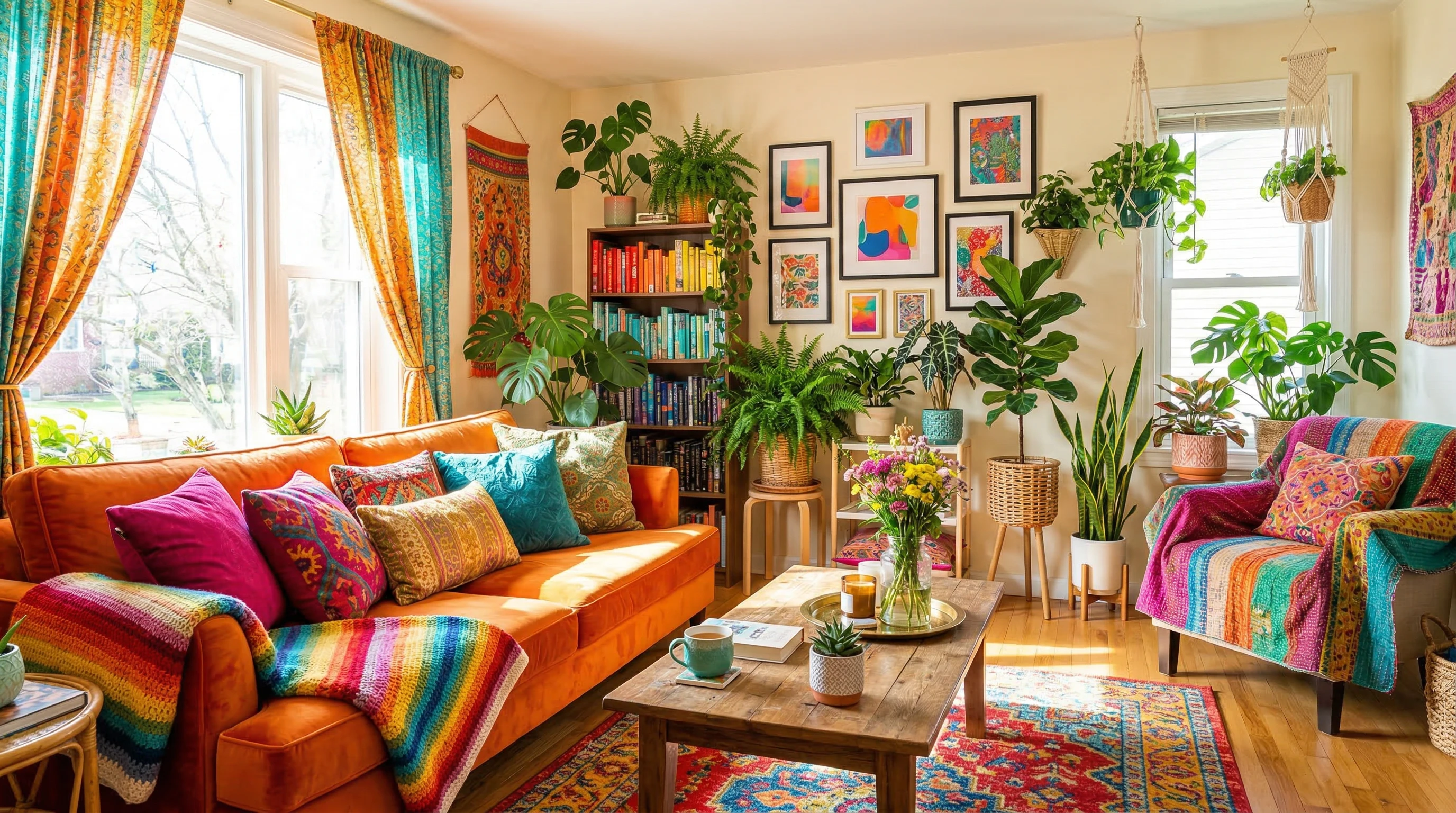
My living room is usually the hub for activity and conversations, so I use color to encourage connection. Shades like gold, amber, and terracotta make it feel lively and inviting. Deep greens ground the space and bring in a comfortable sense of being closer to nature. Warm neutrals, such as sandy beige or soft taupe, act as a background that helps everyone relax and feel at home. Throw pillows, wall art, and even candles bring in these colors in fun and easy ways. Sometimes I’ll swap out pillow covers or add a vibrant rug to freshen up the space and create new energy for gatherings or downtime with family.
The Bedroom: Colors for Rest and Emotional Healing
Getting good sleep and feeling safe are really important, so I use color in my bedroom to bring out peacefulness. Soft blues, pale lavenders, and gentle sage greens tell my body and mind that it’s time to rest. Shades of rose or blush pink spark feelings of self-love and emotional comfort. I avoid using bright reds, neon colors, or bold accent walls here, since those tend to keep me up and could even make it harder for my mind to relax at night. Bedding, curtains, and even small decorative touches make a big difference in bringing these colors into the space. I also find that textured throws and softly patterned sheets add another soothing layer, turning the bedroom into a little retreat from my busy day.
The Kitchen & Dining Area: Nourishment and Creativity
The kitchen is where I recharge with food and also spark creativity to start my day, so I like energizing, happy colors here. Warm yellows and cheerful orange accents encourage appetite and creativity with recipes. Soft earthy tones, such as terracotta, sand, or tan, provide a sense of nourishment and stability. A vase of fresh green herbs or a bowl of apples adds pops of green for a feeling of freshness and vitality. Even simple swaps, like colored dish towels or placemats, can switch up the mood quickly. I sometimes rotate colorful artwork on the walls to reflect the seasons, from sunny sunflowers in summer to cozy oranges in autumn, making the kitchen a lively and everchanging heart of my home.
The Home Office: Color for Focus and Productivity
When I work from home, color helps me stay focused and clear-headed. I like to bring in shades of yellow or gold near my workspace for clarity and quick thinking. Blue, especially medium or navy blue, reminds me of concentration and helps cut distractions. For longer, more demanding days, I pick earth tones like mocha, clay, or olive green, which make the space feel stable for focused efforts. Desk organizers, wall art, and nearby plants work together to create a motivating vibe. I also make sure to move things around periodically, occasionally adding new touches, like a soft orange mug or a seafoam green mouse pad, to keep my workspace feeling inspiring and fresh throughout the year.
Color Through Plants, Flowers, and Natural Materials
I find that nothing beats the energy of nature when it comes to chromotherapy. A simple green plant does more than just clean the air—it balances my nervous system and adds a layer of calming energy. Fresh flowers change the dynamic in any room, their colors matching the season and giving a boost to my emotions, whether that’s sunflowers in summer or tulips in spring.
I also pay attention to natural colors of materials around me, like the sandy brown of clay pots, the rich caramel of wood, or the gray of stone. These natural hues are grounding and help me feel supported when things get busy or overwhelming. Making use of wool, linen, and woven baskets helps me enrich the space with textures and tones that feel rooted and calming, deepening my sense of connection with nature, even indoors. The cycle of bringing in new plants or gradually changing out flowers also adds gentle reminders of growth, change, and the natural progression of time within my daily routine.
Lighting as Color Therapy
I sometimes forget how much lighting shapes the way colors show up in my home. I use both natural and artificial light to support my mood. Soft lighting encourages winding down, which I like in the evening. Cool daylight bulbs sharpen focus, so I use those for reading nooks or my workspace.
Candlelight is always a favorite for calm, cozy nights. For moments when I want to set a specific mood, like meditation or at-home spa time, I experiment with colored bulbs or LED strip lights. Light blue or purple lights help my mind relax, while greens and reds bring in different energies. Sunlight is the ultimate color support; just opening the curtains gives my mood a lift with a spectrum of color that shifts by the hour and helps me feel grounded in the day. Using mirrors or light-colored drapes enhances this effect, letting me take advantage of every ray and creating little pockets of color and warmth in unexpected places.
Color in Meditation and Spiritual Practice
Color plays a big part in my daily meditation practice. I visualize the colors of the chakras, from deep red at my base to violet at my crown, which helps me balance my mind and body. During rituals, I wear or place fabric in the color that matches the energy I want to bring in, like green for heart-centered meditation or blue for clarity.
I might build an altar with colored candles, stones, or flowers that match each chakra or intention. Even draping a scarf or using a colored journal during these quiet times sets the energy for the session. I sometimes light incense that corresponds with particular color meanings, strengthening the focus and feeling of each practice. It’s an easy way to make spiritual habits more personal and vibrant, reinforcing my intentions visually and energetically every time I settle in to meditate or reflect.
Color in Self-Care Rituals
Bringing color into my selfcare routines keeps things personal and uplifting. A bath with blue Epsom salts or rosecolored petals can soothe me after a long day. I use colored candles in the background to guide the mood, such as green for comfort, red for energy, or purple for spiritual connection.
Essential oils also get paired with color themes, like lavender oil with purple decor for calm, or lemon oil with bright yellow towels for positivity. I sometimes track my emotional ups and downs using different colored pens in my journal. Over time, I spot patterns of what tones I need in my routine. I also create vision boards with magazine cuttings in various colors to set goals or manifest the kind of energy I want to bring in for the month. These boards help keep me inspired and accountable, serving as a daily visual reminder of my selfcare intentions.
Cultural Meaning of Colors
Color symbolism is woven into so many of the world’s traditions and artworks. In African textiles, rich reds, bold yellows, and deep blues often stand for spiritual strength, community, or prosperity. Color is also key in spiritual traditions; white is used for purity and new beginnings, black for mystery or rest, gold for wisdom, and indigo for intuition. When I study sacred geometry or mandalas, I notice how each color is used intentionally to match the vibrations of specific shapes or mantras. Recognizing these meanings helps me bring greater intention to the way I use color at home or in my practices. I enjoy reading about global color customs, like the red envelopes for luck in Chinese New Year or the use of blue beads for protection in Middle Eastern cultures, using those ideas to add meaningful details in my everyday routines and decor.
How Color Influences Mood and Behavior
Research in color psychology suggests that color affects my feelings and decisions in real ways. The color red is known to raise levels of alertness or excitement, while blue can lower my heart rate and help me calm down. Greens remind my brain of safety and growth, so I feel reassured. Yellows can energize or startle, depending on the shade and intensity. I notice these patterns play out in daily life; for example, feeling restless in a bright red room or sleepy in one that’s entirely pale blue. Over time, tracking my reactions helps me pick what’s right for each scenario. I also observe how these moods ripple into my relationships, productivity, and even the overall feel of my home, making color choices a quiet but constant presence in shaping my everyday life.
How to Choose the Right Colors for Your Life
I often select colors by checking in with how I feel in the moment. Tuning in to my emotional state, I ask myself what I need: calm, excitement, comfort, or motivation. Keeping a color journal or mood board lets me record which shades work best in what seasons or life phases. As the year switches up, so does my relationship with color. In winter, I may crave more light tones or golden glows to balance gray days. In summer, bold greens, blues, and tangerines help boost creativity and activity.
I give myself permission to try new colors, swap out accent pieces, or simply bring home a new plant or candle to see how it fits. Watching my reactions makes it easier to keep my environment flexible, tweaking it until it truly feels right. I encourage friends and family to join in, occasionally doing mini color makeovers for shared spaces or collaborating on seasonal decorations. This sense of play keeps the process joyful and ensures that color continues to support not just my own mood, but our collective wellbeing.
Living in Color: Making Chromotherapy a Lifestyle
Making color an intentional part of my everyday life doesn’t have to be complicated. I might start with just one area of my routine—like wearing a certain color scarf or adding a green plant to my home office. If a flower arrangement, cozy throw blanket, or painted accent wall gives me the energy I need, I count it as a win. Every time I pause to notice how those colors make me feel, I learn more about what works for me.
My relationship with color is always changing, just like my needs and emotions. When I keep my eyes and heart open to what feels right, chromotherapy turns from theory into a practical way to support myself every single day. Over time, small color choices accumulate, shaping not only my environment but my mindset and emotional health. With a little attention and curiosity, color becomes a trusted ally—helping me feel grounded, refreshed, and inspired, no matter what each day brings.