
Hyssop And Chakra Healing
Hyssop is a fragrant herb that has long held a place in traditional healing and spiritual practices. When I first started exploring plantbased energy healing, hyssop stood out because of its deep roots in both folk medicine and spiritual rituals. Chakra healing, which aims to restore balance and flow in the body’s energy centers, is one area where hyssop is gaining more attention. My experience working with hyssop for chakra balancing has helped me see how accessible and practical plantbased tools can be.
Understanding Hyssop and Its Healing Reputation
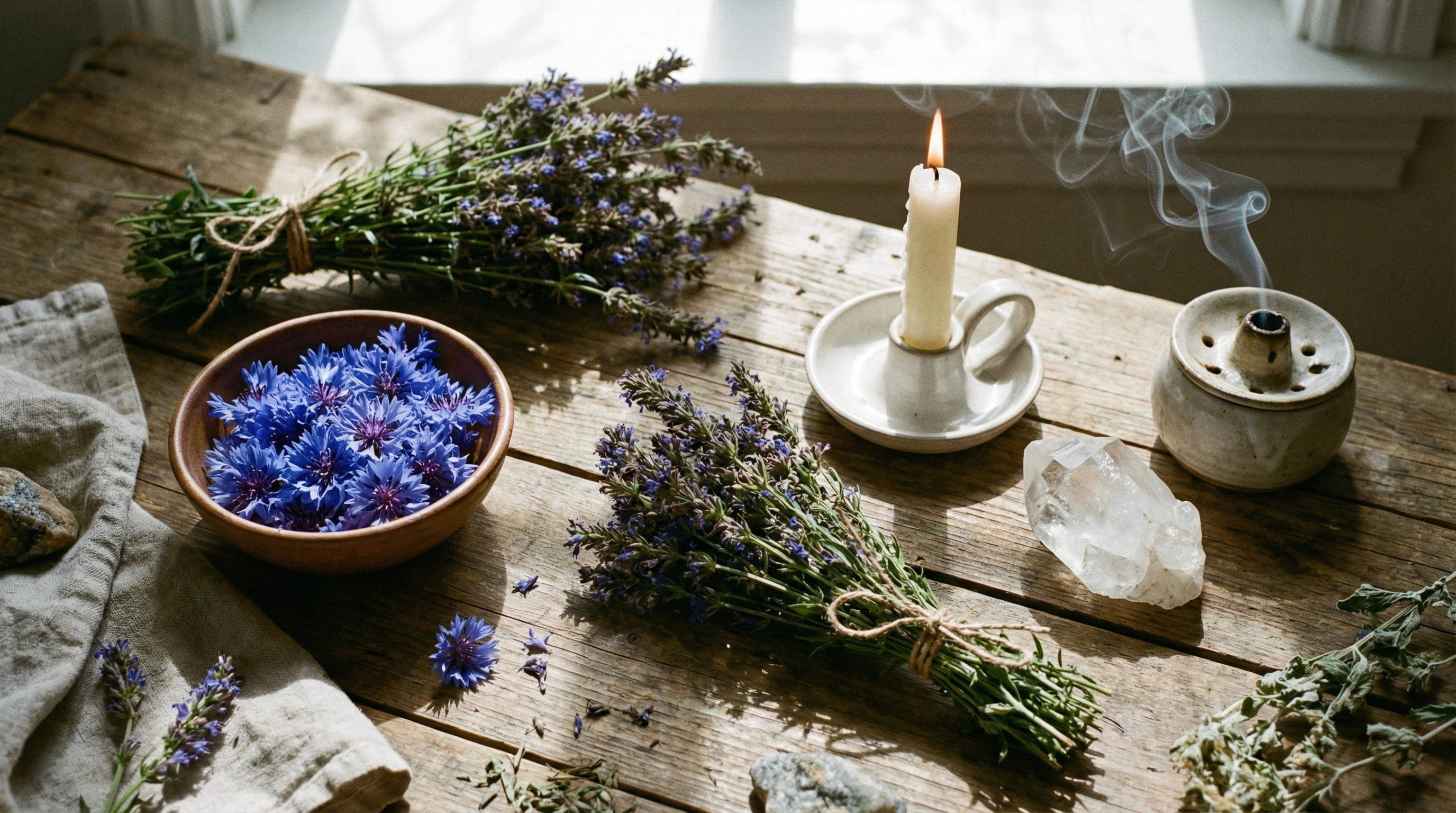
Hyssop (Hyssopus officinalis) is an evergreen herb that grows mainly in parts of Europe, the Middle East, and Asia. It has a fresh, minty aroma and vibrant blue or purple flowers. Historically, hyssop has been used in herbal medicine to support respiratory health, as an antiseptic, and even as a culinary spice for its distinct flavor. The plant is also linked with spiritual purification. In ancient texts, it was often mentioned as an herb for cleansing both physical spaces and personal energy.
Herbalists use hyssop in teas, tinctures, essential oils, and incense. The most common theme across these uses is its reputation for clearing out negativity and supporting the body’s natural healing processes. This cleansing aspect makes hyssop a natural fit for energy and chakra work. Hyssop’s rich history even extends to various cultural and religious ceremonies, where it is put to work as a symbol for spiritual renewal and protection. Its ability to drive away negative energies is something that people continue to make use of today.
Chakra Healing Basics: How Energy Centers Work
The chakra system describes the body’s main energy centers, usually counted as seven points that run from the base of the spine up to the crown of the head. Each chakra is linked to different qualities, physical areas, and emotional themes. If I feel out of balance, anxious, or low on energy, I often find it’s related to stuck or overloaded energy in one or more chakras.
- Root Chakra (Muladhara): Base of the spine; relates to security, stability, survival.
- Sacral Chakra (Svadhisthana): Lower abdomen; linked to creativity, emotions, relationships.
- Solar Plexus Chakra (Manipura): Upper abdomen; selfesteem, confidence, willpower.
- Heart Chakra (Anahata): Center of the chest; love, compassion, forgiveness.
- Throat Chakra (Vishuddha): Throat; communication, truth, selfexpression.
- Third Eye Chakra (Ajna): Forehead; intuition, insight, imagination.
- Crown Chakra (Sahasrara): Top of the head; spiritual connection, awareness.
Chakra healing focuses on opening, balancing, or clearing these centers. When each chakra is in harmony, I notice a better sense of wellbeing and more emotional resilience. Each chakra can get blocked in unique ways, leading to specific emotional or physical symptoms; for example, when my root chakra feels off, I might experience anxiety about financial or safety matters, while a sluggish heart chakra might make it hard to trust or forgive. Recognizing which chakra needs attention can be as simple as tuning into these patterns.
Linking Hyssop to Chakra Healing
Hyssop is adopted by many for its purifying properties, but I’ve learned it can play specific roles in chakra healing, too. Because it clears stagnant energy, hyssop is often recommended for cleansing the entire energy body before or after focusing on a single chakra.
I usually use hyssop when I feel weighed down by stress or heavy emotion, which can make my chakras feel blocked or sluggish. Aromatherapy, herbal baths, or even a simple spritz of hyssopinfused water can help refresh my mood and prepare for deeper chakra work.
Here’s how hyssop connects to particular chakras:
- Heart Chakra: With its softness and cleansing action, hyssop is great for supporting forgiveness and emotional freedom. If I’m struggling with old resentments or grief, I diffuse hyssop oil or add dried hyssop to a warm bath to lift some of that heaviness from my chest.
- Throat Chakra: Hyssop’s history as a respiratory herb makes it especially suited for the throat area. I reach for hyssop tea or incense when I have difficulty expressing myself or feel ignored. The aroma sometimes feels like a gentle reminder to use my voice. It is also believed that hyssop can help clear negative speech or selfdoubt associated with a blocked throat chakra.
- Third Eye and Crown Chakras: Since hyssop has ties in spiritual traditions, I find it supports clarity and awareness. I use it as part of meditation, letting its scent help quiet mental chatter for clearer insight or a sense of connection. At times, I’ll add hyssop to my altar or meditation tools to further set the stage for insight and openness.
Simple Ways to Use Hyssop for Chakra Healing
If you’re curious about adding hyssop to your energy practice, several simple methods make it easy to start. My favorites are easy to do at home with basic supplies. Here’s how I usually work hyssop into my chakra routine:
- Herbal Baths: I add a handful of dried hyssop or a few drops of hyssop essential oil to a warm bath. This creates a relaxing experience that cleanses both the body and energy field. I focus on deep breathing and imagine energy blockages washing away. For a richer experience, I sometimes add Epsom salts or rose petals to further support cleansing and soft energy.
- Aromatherapy: Diffusing hyssop oil in my home helps set the mood for meditation or restorative yoga. If I don’t have a diffuser, even inhaling from the bottle or adding a drop to a cotton ball works well. Hyssop blends well with oils like lemon, bergamot, or cedarwood.
- Smoke Cleansing: Burning dried hyssop, much like sage or palo santo, provides an earthy, uplifting scent. I gently fan the smoke over my body or around my meditation space, with special attention to areas where I want more energy flow. Some people create small bundles with hyssop and other garden herbs for a personalized cleansing ritual.
- Topical Application: Diluting hyssop oil in a carrier oil (like almond or jojoba) makes for an energizing massage oil. Sometimes I apply it directly over my heart or throat before meditating on those chakras. It’s important to do a skin test first, since essential oils can irritate sensitive skin.
- Tea and Internal Use: Occasionally, I sip on a mild hyssop tea during mindful breaks. This supports focus and calm, preparing me for energy healing or creative work. Always check with a healthcare provider if you have health conditions, are pregnant, or take medication. For variety, I sometimes add a sprig of fresh mint or lemon balm to the tea for a lighter taste.
Common Challenges and Practical Solutions
When I talk with others about using hyssop for chakra healing, a few concerns tend to come up. The main ones are sensitivity to strong herbal aromas, quality or sourcing of the herb, and skepticism about results. Here’s how I approach them:
- Sensitivity: Hyssop has a strong scent, so I start with lower amounts in baths or diffusers. Mixing it with gentler oils, like lavender or chamomile, can help soften its intensity.
- Sourcing: It’s really important to use ethically sourced, organic herbs and oils for energy work. I look for products from reliable herbal shops that provide information about how their hyssop is grown and processed. Supporting small, local herbalists can also assure a fresher product that’s handled with care.
- Effectiveness: If results feel subtle or delayed, I focus on consistency and intention. Sometimes, energy work takes a few tries or daily practice before any shifts are noticeable. Even if immediate transformation doesn’t happen, I usually notice a little more calm and clarity after using hyssop. Sometimes, I combine hyssop with other supportive rituals, like journaling or breathing exercises, to get a stronger effect.
Safety Notes
Hyssop should be used thoughtfully, especially for people with certain medical conditions, young children, or during pregnancy. I start with a small amount and watch how my body responds. Consulting a healthcare professional ensures safety, especially if combining herbal practices with medication. As with any new plant or essential oil, it’s best to ease in and note any changes you feel, whether positive or negative.
Advanced Tips for Chakra Healing with Hyssop
After working with hyssop a few times, I found that certain approaches help me go deeper into chakra healing. Here are some tips based on my personal practice:
Pair with Visualizations: When I work with hyssop for a specific chakra, I visualize that center glowing brighter or spinning freely. Combining herbal practices with guided imagery boosts focus and intention. You can even use colored lights, candles, or crystals that match your chakra work for an added layer of support.
Incorporate Sound: I sometimes use chimes, singing bowls, or soothing music while clearing my space with hyssop. Sound and scent together help switch up my state of mind more effectively, creating an immersive ritual that signals to my mind and energy field that it’s time for healing.
Record Your Impressions: I keep a simple journal to note any shifts in mood, energy, or clarity after each hyssop session. Writing helps track what works and encourages me to stay consistent with my practice. Over time, these notes become a valuable record of my growth and what tools help me most.
Mix with Meditation or Gentle Movement: Combining hyssop aromatherapy or tea with a gentle stretch, yoga, or breathwork can enhance the energy moving through your chakras. This makes your practice feel more integrated and effective.
RealLife Examples and Applications
Hyssop and chakra healing come together easily for both daily routines and special moments. For example, on days when I feel unfocused at work, a short break with hyssop tea and a 5minute third eye meditation often helps. If I’m preparing for a difficult conversation, a throat chakra ritual using hyssop oil helps calm my nerves and steady my words.
- Stress Relief: Hyssop baths or aromatherapy sessions bring a sense of lightness after long, highpressure days.
- Emotional Healing: Processing grief, forgiveness, or anger works well when I add hyssop to heart chakra meditation or journaling sessions. Its gentle presence seems to open a path for compassion with myself and others.
- Creative Flow: Before writing, painting, or brainstorming, I clear my work area with hyssop smoke to set the mood and focus my energy. It’s not unusual for ideas to flow much more freely after this clearing ritual.
Besides these examples, I have shared hyssop practices with friends who were new to plantbased energy healing. Even those who were skeptical at first found value in the calming routine of preparing a hyssop tea or taking part in a hyssopinfused bath. Over time, they often noticed small mood or clarity shifts that encouraged deeper exploration.
Frequently Asked Questions
Curiosity about hyssop and chakra healing is increasing, so I put together answers to some of the questions I hear most often.
Question: Can I use hyssop if I have allergies?
Answer: People with sensitivities to other herbs in the mint family (like oregano, basil, or lavender) might react to hyssop. If I’m unsure, I do a patch test or try a very small amount first, and I always opt for external use rather than tea unless a medical provider says it’s safe.
Question: How often should I use hyssop for energy work?
Answer: I find that weekly or biweekly sessions are plenty for maintaining energy balance, but I might use hyssop more often if I’m healing from a tough event or feel energetically heavy. Listening to my body and adjusting based on how I feel works best.
Question: Is hyssop safe for everyone?
Answer: Hyssop isn’t suitable for pregnant people, young kids, or anyone with epilepsy. Always check with your healthcare provider before starting herbal practices, especially when combining with other treatments. Take all disclaimers seriously and practice moderation just to be safe.
Getting Started with Hyssop for Chakra Healing
Bringing hyssop into chakra healing routines is a gentle, approachable way to explore plantbased energy cleansing. From my own experience, simplicity and consistency bring the best results. Whether you use a bath, diffuser, or smoke, hyssop invites a sense of clarity and calm to both beginner and seasoned energy healers.
Experiment with different methods and pay attention to how your body and mind respond. With time, hyssop can become a trusted part of your selfcare and energy healing toolkit. By welcoming hyssop into your routine, you open up new ways to support both spiritual and emotional growth, making it a valuable companion on your adventure toward balance and healing.