Copaiba Essential Oil And Chakra Healing
Copaiba essential oil has become more popular among those interested in natural health, especially in areas like emotional wellness and energy work. Drawing from experience using it in daily self-care routines, I’ve found that copaiba oil stands out due to its gentle aroma and its unique chemical profile. In recent years, many people have started to explore its connection with chakra healing, aiming to support balance and well-being. Here I’ll offer a super detailed look at copaiba essential oil and how it fits into chakra healing practices.
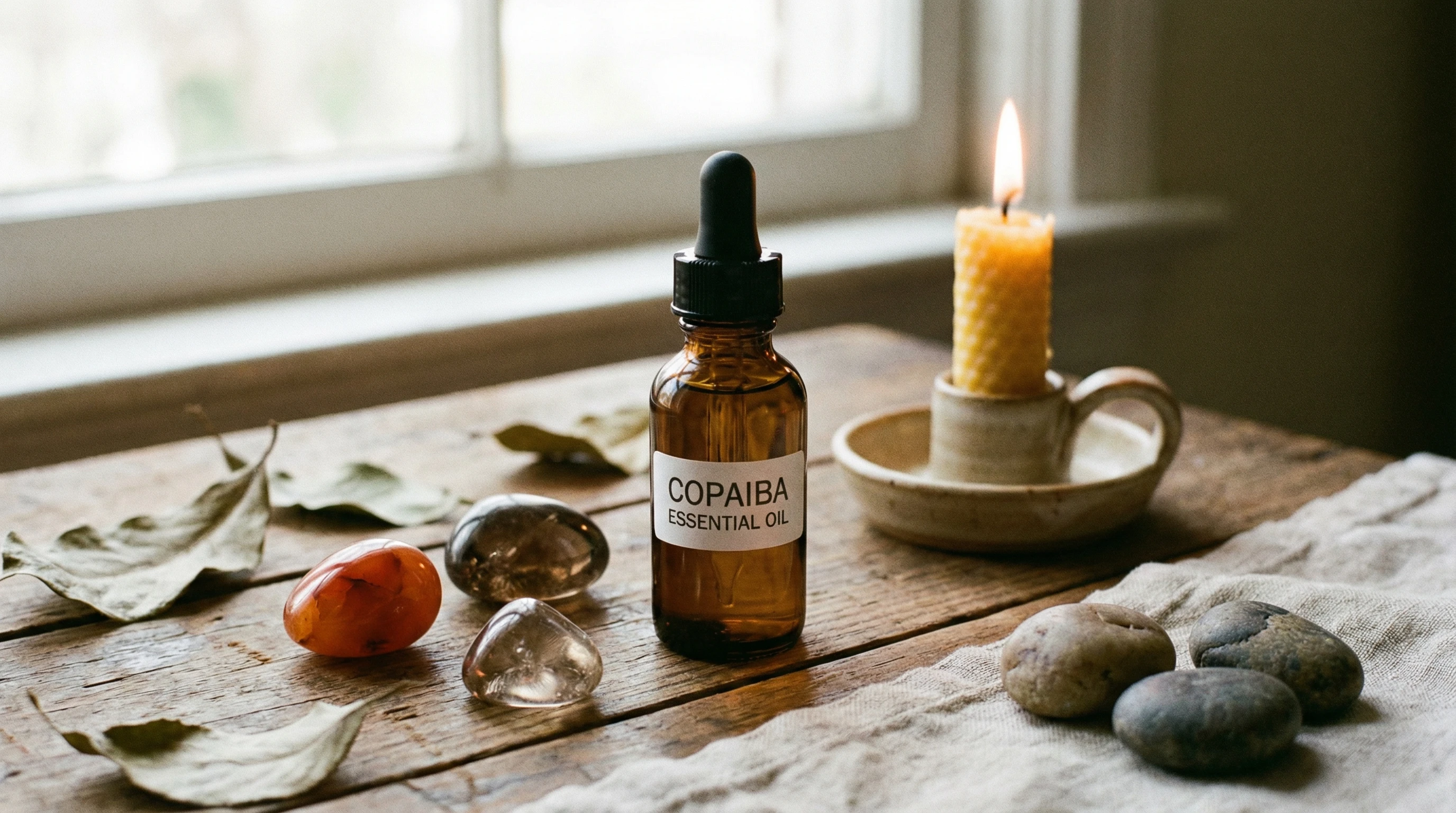
Understanding Copaiba Essential Oil
Copaiba essential oil comes from the resin of various Copaifera tree species, which are native to South America. The oil is traditionally steam distilled from the resin and is known for its warm, woody scent with a hint of sweetness. I first stumbled upon copaiba oil while researching alternative ways to ease stress and tension without heavy scents. Since then, I’ve noticed that practitioners often recommend copaiba for its gentle and grounding fragrance during meditation and self-care.
One of copaiba’s main chemical components is beta caryophyllene, a compound that interacts with the body’s endocannabinoid system. This helps make copaiba popular among those seeking natural ways to support relaxation and emotional balance. Research on essential oils and aromatherapy is ongoing. According to published studies, beta caryophyllene has been linked to effects that may help influence mood and stress levels. While every individual’s experience will differ, many users find copaiba oil to be among the more approachable essential oils for newcomers.
An Introduction to Chakra Healing
The concept of chakras comes from ancient Indian traditions and refers to energy centers in the body. There are seven main chakras, each associated with physical, emotional, and spiritual well-being. Starting from the base of the spine and moving up to the crown of the head, these chakras are said to play a role in overall health and balance. I started checking out chakra healing as a way to complement meditation practices and found that subtle changes in mood or focus aligned naturally with the time I spent addressing each chakra through breathing, guided imagery, and essential oils.
Many people use meditations, yoga, crystals, and essential oils to support chakra balance. When it comes to essential oils, each chakra tends to be associated with certain scents or properties. While oils like lavender, frankincense, or sandalwood are commonly used, copaiba oil is getting more attention for its calming and supportive effect.
How Copaiba Essential Oil Supports Chakras
Copaiba oil is most often linked to the root chakra, also called Muladhara. The root chakra, found at the base of the spine, is related to feelings of safety, stability, and grounding. I’ve personally used copaiba oil in my mindfulness routines when I’m feeling scattered or anxious, and have noticed a steadier sense of focus after applying or diffusing the oil. Its woody aroma seems to fit well with grounding practices that target the root chakra.
Here’s a simple summary of how copaiba can fit into chakra healing:
- Root Chakra (Muladhara): Applying diluted copaiba oil to the bottoms of the feet or lower back during root chakra meditations can encourage a sense of stability and presence.
- High Heart Chakra: Some users report feeling comforted and emotionally open when using copaiba oil near the heart center. Its gentle scent avoids being overpowering, making it helpful for those sensitive to stronger fragrances like rose or jasmine.
- All Chakra Balancing: Because copaiba is considered energetically mild, it’s sometimes used as a neutral oil for full body or whole chakra balancing meditations.
From my own time spent in yoga classes and teaching beginner energy workshops, I’ve seen people use copaiba as both a single note and in blends. It works well with oils like cedarwood, frankincense, and sweet orange, which are great options for those looking to create their own blends.
Bringing Copaiba into Your Chakra Practice: Step By Step
Starting a new practice with essential oils and chakras can feel a bit confusing. I’ve found it’s best to keep things simple at first and build habits that can grow over time. Here’s a guide based on what I’ve found helpful and what others in aromatherapy communities often recommend:
- Pick High Quality Copaiba Oil: Look for pure, therapeutic grade copaiba essential oil from trusted brands. Third party testing and clear sourcing details are really important to make sure the oil is safe and effective.
- Decide How to Use the Oil: Common options include diffusing, topical application (diluted with a carrier oil like coconut), or adding a drop to a personal inhaler.
- Set a Clear Intention: Clarify what you want to focus on; grounding, emotional release, or chakra balancing. Setting an intention can make your practice more consistent and effective.
- Practice Mindfulness Techniques: Incorporate deep breathing or meditation while using the oil. For example, hold your hands over your lower back or feet, close your eyes, and take slow breaths as you focus on the root chakra.
- Combine With Other Modalities: Copaiba oil fits well into yoga, sound healing, or crystal layouts. Pairing it with grounding crystals like hematite or red jasper can give a boost to the experience.
I often get the most benefit when I use copaiba in short, daily sessions instead of long or infrequent ones. Consistency tends to build stronger habits and results over time.
What To Think About Before Using Copaiba Oil for Chakra Healing
Deciding to add copaiba oil to your chakra routine involves a few practical considerations. For those starting out, there are a few common questions and challenges I wish I’d known about earlier:
- Sensitivity and Allergies: Some people may be sensitive to even gentle oils. Always do a patch test first, especially if you have allergies or sensitive skin.
- Essential Oil Safety: Never apply essential oils directly to the skin without dilution. Keep the oil away from eyes, inner ears, and mucus membranes. Make sure to store oils where children and pets can’t reach them.
- Emotional Reactions: Chakra and emotional healing can sometimes bring up uncomfortable feelings. This is normal, but if emotions become too intense, it can be helpful to pause and seek support from trusted sources or professionals.
- Quality Variations: Essential oil quality can vary widely by brand and supplier. I stick to brands with transparent sourcing practices and batch specific test results. This matters for both safety and results.
Safety First
Staying safe with essential oils means following a few important tips. Always dilute copaiba before skin application, start with small amounts, and check in with your health care provider if you have concerns, especially if pregnant, nursing, or taking medication.
Tips for Stepping Up Chakra Healing with Copaiba
With a bit of practice, you can personalize your approach to using copaiba oil for chakra work. Here are some ideas I find helpful for making the most of copaiba oil in your routine:
Try Layering Scents: Blending copaiba with grounding oils such as vetiver, patchouli, or cedarwood builds on its anchoring effect.
Create a Ritual: Develop a regular time and space for your chakra practice. Lighting a candle, playing calming music, and diffusing copaiba oil can help set the atmosphere for mindful self-care.
Use Visualization: While applying or diffusing copaiba, picture warm light at the base of your spine or surrounding your body. I’ve found this boosts the connection between scent, intention, and awareness.
Focus on Breath: Deep, slow breathing while experiencing the aroma encourages deeper relaxation and presence. Pairing breathing exercises with visualization creates a strong mind body link that’s helpful in chakra healing work.
Common Questions about Copaiba Essential Oil and Chakras
Here are answers to some of the most frequent questions that come up when people start working with copaiba oil and chakra practices:
Question: Can copaiba oil balance all chakras or just the root?
Answer: Copaiba oil is best known for grounding effects, making it a good match for the root chakra, but it can support other chakras too. Many use it for heart and solar plexus chakra work because of its gentle and nurturing qualities.
Question: How often should I use copaiba oil in my chakra routine?
Answer: Frequency depends on your needs and goals. I recommend starting with short daily sessions, lasting 5 to 10 minutes, and adjusting as you notice how your body and mind respond.
Question: Is it safe to use copaiba oil with other essential oils?
Answer: Yes, copaiba blends well with many oils. Just remember to follow proper dilution guidelines for every oil in your blend.
Real World Uses: Copaiba and Chakra Healing in Daily Life
People often use copaiba essential oil in real, everyday situations to feel more balanced. As someone who has brought it into morning rituals, I find it helpful for setting intentions before a busy day or decompressing after work. Some of the most common uses are:
- Daily Meditation: Adding a few drops to a diffuser during meditation grounds focus and builds calmness.
- Yoga Practice: Rubbing diluted copaiba onto the feet before yoga helps anchor the mind and body, making it easier to focus on breathwork and movement.
- Stressful Moments: Inhaling copaiba from a tissue or personal inhaler offers quick emotional support when feeling anxious or unsteady.
- Chakra Balancing Rituals: Using copaiba oil with crystals or visualization during a chakra check in routine encourages balance and emotional release.
Real life examples from my routine and what others share in wellness circles show copaiba oil to be a gentle yet supportive option for those hoping to combine aromatherapy and chakra healing. New users can start small, choose a method that feels comfortable and make adjustments as you check out what works best. Bringing self-awareness and intention to these practices makes all the difference in building a meaningful and reliable self-care routine.
I don’t have a chakra practice, but I really enjoy using essential oils in my daily routine, and this makes me curious to try copaiba! I love that it’s gentle and grounding—those woody, warm scents are exactly what I reach for when I want to relax or reset after a busy day. Your tips on diffusing or using it with other oils like cedarwood and frankincense are really helpful. I might experiment with a small blend and see how it feels in my own self-care routine.
Hi Donna,
Thank you so much for sharing this—it’s lovely to hear how thoughtfully you already work with essential oils in your daily routine. You definitely don’t need a formal chakra practice to benefit from copaiba. Many people experience its grounding and calming qualities simply through scent and intention, especially when it becomes part of a familiar self-care ritual.
I completely resonate with your draw to warm, woody aromas for unwinding. Copaiba pairs beautifully with oils like cedarwood or frankincense, as you mentioned, and starting with a very small blend is a perfect way to explore it without overdoing things. Something as simple as a few drops in a diffuser in the evening, or diluted in a carrier oil and applied to the wrists or chest, can create a gentle “reset” moment at the end of the day.
What I’ve found most helpful is paying attention to how an oil makes me feel emotionally and energetically over time rather than expecting an immediate or dramatic effect. Letting it support relaxation, presence, and grounding in subtle ways often makes the experience more meaningful.
I love that you’re approaching this with curiosity and ease—trust that instinct, and enjoy experimenting in a way that feels supportive and nourishing to you
I do love essential oils. They are natural, usually smell wonderful, and if you happen to be tactile-centered as it seems you are, then I can see it bringing you a sense of peace or energy.
I’ve experienced it myself so please don’t think I am being overly critical of your concept when I ask is there is any way that you have to actually quantify for a potential client the effects that these substances are meant to bring?
Or is it much like the Avon lady that my mom used to host when I was a kid? Entire presentation built around how good it makes you look or feel? (subjective results vs. objective results)
Hi Robert — thank you for such a thoughtful and respectfully framed question. I really appreciate the way you approached this, especially acknowledging your own positive experiences while still asking for clarity.
You’re absolutely right to draw the distinction between subjective experience and objectively measurable outcomes. In the context of essential oils and chakra or energy work, I’m very intentional about not presenting these practices as medically quantifiable treatments in the way pharmaceuticals or clinical interventions are measured.
Here’s how I generally frame it for readers and potential clients:
• What can be quantified:
Essential oils like copaiba do have measurable chemical constituents (for example, beta-caryophyllene), and there is emerging research on how certain compounds interact with the endocannabinoid system, inflammation pathways, and stress responses. Those aspects belong to chemistry and physiology, not belief.
• What cannot be precisely quantified:
The energetic, emotional, or chakra-related effects are experiential and personal. They fall into the same category as mindfulness, meditation, prayer, music, or breathwork. We can measure heart rate variability, cortisol trends, or self-reported stress reduction, but the inner experience itself remains subjective.
• How I present it (very intentionally):
I don’t promise outcomes, cures, or guaranteed effects. Instead, I frame oils like copaiba as supportive tools—anchors for awareness, relaxation, emotional regulation, or intentional practice. The value is not “the oil did X,” but rather “the oil helped create the conditions for X.”
So in that sense, yes—there is an overlap with things that rely on felt experience rather than hard metrics. Where I try to be different from a purely sales-driven presentation is by:
Being explicit about the limits of claimsEncouraging discernment rather than beliefEmphasizing self-observation over persuasion
If someone feels calmer, more grounded, or more present after using copaiba, I don’t position that as proof of a metaphysical mechanism—only as evidence that the practice was supportive for them.
Copaiba essential oil is often discussed in chakra healing for its gentle, grounding qualities and its close association with the root chakra. Many people appreciate it because it supports emotional steadiness without feeling overpowering, making it suitable for beginners and those sensitive to strong aromas. In chakra-focused practices, copaiba is commonly used to encourage feelings of safety, calm, and presence, whether through meditation, breathwork, or simple daily rituals. While it’s not a cure or replacement for medical care, it can serve as a supportive tool that helps people slow down, set intentions, and create a more centred, mindful self-care routine.
Thank you for sharing such a clear and thoughtful reflection, S.J.
I really appreciate how you highlighted copaiba’s gentle and grounding nature. That quality is exactly what draws many people to it—especially those who are new to chakra work or sensitive to stronger oils. Your point about it supporting emotional steadiness without being overpowering is spot on, and it’s one of the reasons copaiba works so well in simple, everyday rituals.
I also love that you emphasized intention and mindfulness rather than presenting it as a cure-all. When used the way you described—during meditation, breathwork, or quiet moments of self-care—copaiba can be a beautiful support for slowing down, feeling safe in the body, and reconnecting with a sense of presence.
Thank you for contributing such a balanced and grounded perspective to the conversation.
This piece explains copaiba in a calm, grounded way. I like that you start with the tree, the resin, the scent, and then move into practice. It keeps the reader on the earth while talking about energy work. That balance matters.
The connection to the root chakra also made sense. Safety. stability. presence. Those are human needs, whether someone uses the chakra language or not. I have had seasons where my mind was scattered and my body was tired, and what helped was not more noise. It was something simple that brought me back to myself. Slow breathing. stillness. a quiet routine I could repeat.
I also respect the way you speak about intention and consistency. Short daily sessions. A small ritual. A candle. a steady breath. A gentle scent that does not fight the senses. That kind of practice can turn self-care from a mood into a habit.
And the safety reminders land well too. Dilution. patch testing. paying attention to emotional waves that can rise during inner work. That is pro-humanity to me. It says, “Take care of the body and the soul at the same time.”
John
John, thank you for such a thoughtful and grounded reflection. I really appreciate the way you named that balance—staying connected to the earth while exploring energy work. That is always my intention with practices like copaiba: to keep the body included, not bypassed.
What you shared about scattered seasons and returning to yourself through simplicity really resonates with me. Root chakra work, whether someone calls it that or not, often comes down to the same human truths you pointed out—safety, steadiness, and presence. Slow breath, stillness, and repeatable routines are often far more regulating than adding more stimulation or “doing more.”
I’m also glad the emphasis on intention and consistency stood out to you. I truly believe small, gentle rituals practiced regularly are what turn self-care into something sustainable, rather than something we reach for only when we’re overwhelmed. Copaiba’s soft, non-invasive scent supports that kind of quiet return without demanding attention.
And thank you for noticing the safety reminders. Honoring dilution, patch testing, and emotional awareness is part of honoring the body itself. For me, that’s what real healing work looks like—tending to the nervous system, the physical body, and the inner world together.
I’m grateful you took the time to share your experience and perspective. Your words add depth to the conversation in a way that feels very human and very real.
Thank you for sharing such a comprehensive and thoughtful guide to using copaiba essential oil for chakra work. I found your detailed breakdown—from the science behind beta-caryophyllene to its traditional grounding effects on the root chakra—to be incredibly enlightening. It’s clear this comes from personal experience, especially the practical tips on sourcing quality oil and creating a simple daily ritual. The idea of pairing it with visualization or breathwork to deepen the mind-body connection is something I’m eager to try. This post has definitely moved copaiba higher on my list of oils to explore for my own mindfulness practice.
Thank you so much for this thoughtful reflection, Cian — I really appreciate the care with which you read the post.
I’m especially glad the connection between the science of beta-caryophyllene and the felt, grounding experience of copaiba came through for you. That bridge between what the body can understand biologically and what we experience energetically is exactly where copaiba shines for root chakra work. When paired with slow breathwork or simple visualization, it tends to work quietly but deeply, helping the nervous system settle so the body feels safe enough to be present.
I love that you’re approaching it as part of a mindfulness practice rather than something you need to “do perfectly.” Even a few intentional breaths with the oil, repeated consistently, can build that mind-body connection over time. Thank you again for sharing your experience and curiosity — it’s always meaningful to hear how these practices resonate in real life.