
Tangerine Essential Oil Benefits
Tangerine essential oil is one of my favorite go-to oils when I’m looking for a refreshing lift or gentle support for my mood and skin. Extracted from the peel of ripe tangerines, this oil carries a sweet, citrusy aroma that many people find comforting and energizing. Its popularity in aromatherapy and natural wellness keeps growing, and there are many ways to use it safely and effectively in everyday routines.
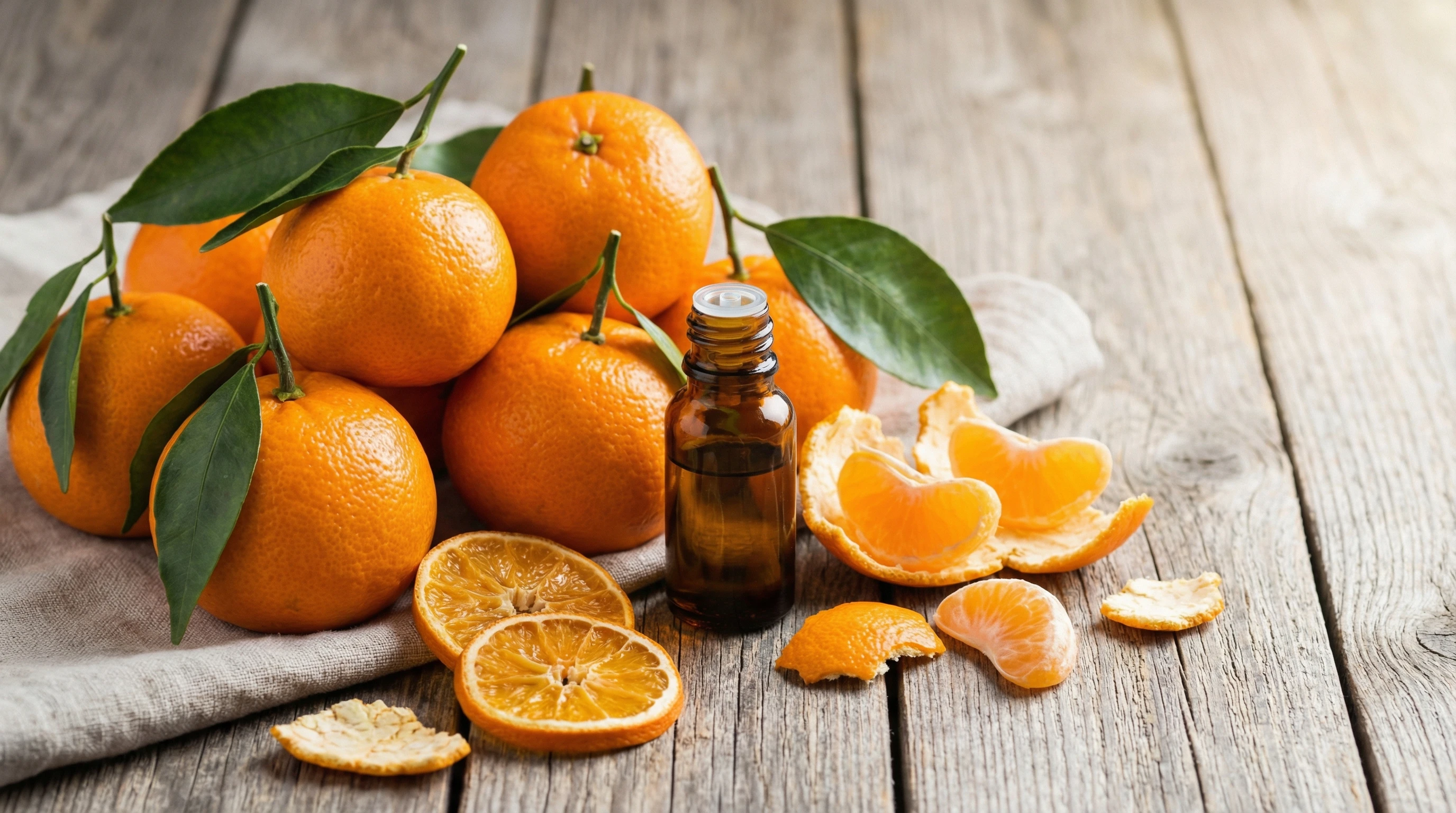
Understanding Tangerine Essential Oil
Tangerine essential oil comes from cold pressing the peels of Citrus reticulata, commonly known as tangerine. The result is a concentrated oil that carries the fresh scent and beneficial compounds of the original fruit. In my own experience, a few drops of this oil in a diffuser can quickly brighten up a room or add a cheerful spin to daytime routines.
This oil is rich in limonene, a compound found in many citrus fruits that is well known for its uplifting scent and gentle cleansing properties. It was first used in Chinese herbal practices, where tangerine peels supported digestion and overall wellness. Modern uses have switched toward aromatherapy, topical application, and even household cleaning for a naturally sweet and zesty boost.
If you look into the history, you’ll see that citrus oils like tangerine have long been favored because of their light, mood-boosting properties. That being said, today’s uses are even broader as people look for natural solutions that fit active modern lifestyles.
Common Ways to Use Tangerine Essential Oil
I use tangerine essential oil in a number of simple ways throughout my week. Here’s how I find it most useful in daily life:
- Diffusion: Adding a few drops to my diffuser creates a refreshing environment and helps me focus on tasks without feeling weighed down.
- Topical Application: Mixed with a carrier oil, tangerine essential oil makes a gentle massage blend for skin or soothing tired muscles. I always do a patch test first to check for sensitivity.
- DIY Cleaning Products: Tangerine’s natural scent and cleansing action make it a great ingredient in homemade sprays for countertops and bathrooms.
- Baths and Personal Care: I like to add a couple of drops into Epsom salts or unscented bath oils for a relaxing soak that leaves my skin feeling smooth and lightly scented.
- Air Freshening: A quick solution for musty rooms is adding a few drops to a bowl of baking soda; this absorbs odors and gives the space a cheerful aroma.
Benefits of Tangerine Essential Oil

People choose tangerine essential oil for a variety of purposes. Its gentle and sweet-smelling nature sets it apart from some of the stronger citrus oils like lemon or grapefruit. Here are some of the benefits I’ve personally experienced and found backed up by research:
- Sacral Chakra Healing (Creativity, Pleasure & Emotional Flow):
Tangerine essential oil has a naturally uplifting, playful energy that aligns beautifully with the Sacral Chakra, the center of creativity, pleasure, emotional balance, and healthy enjoyment of life. When I work with tangerine oil—especially through diffusion or gentle inhalation—it helps soften emotional heaviness and encourages a sense of lightness and creative flow. Its sweet citrus aroma supports releasing guilt, emotional stagnation, and suppressed feelings, making it easier to reconnect with joy, inspiration, and embodied presence. Tangerine’s gentle nature makes it especially supportive during times when emotions feel blocked or when creativity feels forced rather than fluid. - Mood Support: The refreshing scent of tangerine oil seems to dissolve stress, helping me feel calmer and lighter. Research suggests that inhaling citrus scents may lower feelings of anxiety and encourage a more positive mood.
- Skin Care: When diluted properly, tangerine oil can help manage minor skin issues. I’ve used it to support clearer looking skin, and it’s gentle enough even for sensitive types when applied with a carrier oil. Always avoid sun exposure after applying, as citrus oils can increase skin sensitivity to sunlight.
- Digestive Support: Although I don’t use essential oils internally, aromatic use is common for promoting a feeling of digestive comfort. Some people find that using tangerine oil in a diffuser during or after meals can be soothing.
- Natural Cleaning: Due to its limonene content, tangerine oil cuts through grease and grime easily. I often add it to homemade cleaners for kitchens and bathrooms, enjoying the fresh scent along with the light cleaning boost.
- Sleep Aid: Its mild, sweet aroma can help promote relaxation before bedtime. Blending it with lavender in the diffuser is a combination I often reach for when winding down after a long day.
- Immune Support: Some people believe tangerine oil gives a boost to the immune system when diffused regularly. While more research is needed, the general feeling of freshness and clarity it provides is hard to ignore.
Using Tangerine Essential Oil Safely
Tangerine essential oil is considered gentle, but I always follow a few guidelines to keep things safe:
- Dilution: I dilute one to two drops per teaspoon of carrier oil before using it on my skin, which helps reduce the risk of irritation.
- Patch Testing: Before applying to larger areas, I do a patch test on a small spot of skin to make sure I don’t react.
- Photosensitivity Caution: Like most citrus oils, tangerine can make skin more sensitive to sunlight. I avoid direct sun exposure on treated areas for at least 12 hours.
- Internal Use: I avoid ingesting essential oils unless guided by a qualified health professional.
- Child and Pet Safety: Some essential oils are not safe for young children or pets. I keep my bottles out of reach and monitor use carefully around others in my home.
- Proper Storage: To help slow down oxidation, I keep my tangerine oil in a dark-glass container, tightly closed, in a cool spot. This preserves both its scent and benefits for longer periods.
Challenges and Key Points to Consider
Every oil has its limits. In my experience, here are a few aspects worth thinking about before adding tangerine essential oil to your collection:
- Sensitivity Issues: Even though tangerine oil is gentle for most, some people may still develop skin irritation or allergic reactions. Careful patch testing helps avoid surprises.
- Quality and Purity: Not all essential oils are created equal. I look for bottles labeled 100% pure, with clear information on the source of the fruit. This gives me more peace of mind that I’m getting the best effects with fewer fillers or additives.
- Short Shelf Life: Citrus oils can oxidize and lose potency faster than some other oils. I keep my bottle tightly sealed and stored in a cool, dark place to help it last longer.
- Scent Preferences: The sweet, candy-like scent is enjoyable for most, but everyone’s nose is different. If you’re sensitive to smells, testing a sample before committing to a larger bottle is helpful.
- Blending Results: Sometimes, mixing tangerine with stronger oils can overpower its scent. I start with a small amount and gradually adjust to create a nice balance.
Sensitivity and Allergic Reactions
Some friends have reported mild redness or tingling after using citrus oils on their skin. Although dilution and patch tests make reactions less likely, it’s always good to check individual tolerance. If you ever notice itching or burning, rinsing with a carrier oil and discontinuing use is the best move. Staying sharp for any changes helps you adjust your routine quickly.
Quality Concerns
With essential oils growing fast in popularity, I pay close attention to labeling and sourcing. Well known or reputable brands often offer more reliable products with third party testing results available. I avoid oils that are sold in clear bottles or ones that smell “off,” as this could mean oxidation or impurity. Reliable sources also let you track down batch numbers and safety test reports for added peace of mind.
Tips for Getting the Most Out of Tangerine Essential Oil
Getting the hang of this oil took me a little trial and error. Here’s what I’ve learned along the way to make the most of every drop:
- Blend with Other Oils: I like mixing tangerine with calming oils like lavender or herbs like rosemary for a unique aroma profile.
- Freshen Laundry: A few drops on wool dryer balls makes my clothes and linens smell lightly sweet without synthetic fragrance.
- Boost Focus: Diffusing tangerine while I’m working helps me stay alert and in a good mood.
- Create DIY Gifts: Simple sugar scrubs or bath salts using tangerine oil and other ingredients make wonderful, personal gifts for loved ones.
- Travel Relief: A drop of tangerine oil inhaled from a tissue can help me feel grounded on long car rides or flights.
Practical Applications at Home
I find that tangerine essential oil fits well into daily routines. Here are some of my favorite ways to include it at home:
- Air Freshening: One of the cleanest, quickest ways to fight off stale smells.
- Natural Countertop Cleaner: Mixing tangerine with vinegar and water gives me an easy spray for quick cleanups in the kitchen.
- Car Diffusion: I put a few drops on a cotton ball and tuck it under my car seat for a natural, refreshing scent on the go.
- Kids’ Playroom: A gentle mist of tangerine water can brighten up the space and give a cheerful mood during playtime. Just use it sparingly and avoid skin contact for little ones.
Frequently Asked Questions
People often reach out with questions about using tangerine essential oil. Here are answers to some of the most common ones I hear:
Can I use tangerine essential oil directly on my skin?
It’s best to always dilute it with a carrier oil, like coconut or almond oil. This reduces the risk of skin irritation.
Is it safe to diffuse tangerine essential oil around pets?
The scent should be mild and dispersed, and the room should be well ventilated. Always check for your specific pet, as some animals are sensitive to essential oils.
Can I cook with tangerine essential oil?
I don’t recommend using any essential oil in food unless it’s labeled for that purpose and approved by a knowledgeable health provider.
What pairs well with tangerine essential oil?
Citrus oils blend nicely together, and tangerine works especially well with lavender, geranium, peppermint, and cedarwood.
What should I do if I notice skin irritation?
If you spot redness, itchiness, or a burning sensation, rinse the area well with a carrier oil and stop using the product immediately. Consider consulting a dermatologist if irritation persists.
Closing Thoughts
Adding tangerine essential oil to my toolkit has brought both uplifting aroma and gentle wellness benefits to my everyday life. Whether I’m diffusing it for an energy boost, blending it into my skin care, or using it to freshen up a space, I find its cheerful fragrance and easygoing nature always useful. Careful use, good sourcing choices, and a bit of creativity go a long way in enjoying everything this little bottle has to offer.
I hope my first hand experiences and these practical tips inspire you to explore what tangerine essential oil can do for your home and well being.
I really enjoyed this post — it gives such a clear, grounded look at tangerine essential oil and how gentle and versatile it can be. I’ve always loved citrus scents for uplifting the mood, and I appreciated the practical tips you shared for everyday use, especially the cautions about dilution and photosensitivity. It makes the idea of incorporating tangerine oil into a wellness routine feel both accessible and meaningful.
Jr, thank you — I’m really glad the post felt both uplifting and grounded to you. Tangerine has that beautiful dual quality. It’s bright and joyful on the surface, but energetically it’s very gentle. Unlike some sharper citrus oils, it tends to support emotional softening rather than overstimulation. That makes it especially supportive for the Sacral Chakra when we’re working with creativity, emotional flow, or even inner child healing.
I also appreciate that you noticed the safety notes. With essential oils — especially citrus — respecting dilution and photosensitivity isn’t just a technical detail, it’s part of working in harmony with the body. When used correctly, tangerine can be a simple way to reset the nervous system: a drop in a diffuser during creative work, blended into a properly diluted body oil, or even inhaled before journaling.
Have you found that citrus oils shift your mood quickly, or do they work more gradually for you? I’ve noticed tangerine tends to create a subtle emotional lightness rather than a dramatic shift — almost like opening a window and letting fresh air circulate.
This is something I have never really heard of before or really considered. Love the aroma of citrus and oranges, didn’t realize tangerine was such a useful and practical fruit to use as well. Super interested to try it to help with digestion after meals, as well as some of the other features. will try to make at home for sure, seems easy to do and is a much cheaper option than buying just the oils. Great way to use the extra waste as well.
John, I love that you’re already thinking practically about how to use what you have at home. Tangerine really is one of those quiet powerhouses—bright, uplifting, and surprisingly supportive for digestion and emotional reset. That gentle citrus profile can stimulate digestive flow while also easing tension in the nervous system, which is often the hidden reason we feel “off” after meals in the first place. It’s subtle, but effective.
I would just encourage a little caution if you’re planning to make something at home. True essential oils are highly concentrated and require proper distillation and dilution, especially for internal or skin use. If you’re working with peels, infusions, or citrus zest in water, that can be a lovely, affordable way to capture the aroma and some of the benefits safely. Are you thinking of using it more aromatically, topically, or for digestion support specifically?
This is the first time that I have heard of tangerine essential oil and I had no idea there were so many wonderful uses for this oil. I see it is used as an air freshener and cleaning agent, so I imaging it has a great smell.
Using this oil in a carier oil on you skin, is it moisturizing or simply for balancing the chakras.
Thank you for your thoughtful question, Michel — and you’re right, tangerine essential oil has a beautifully bright, fresh scent that makes it popular for both home and personal use.
When tangerine essential oil is blended into a carrier oil, it offers both physical and energetic benefits, not just chakra balancing.
On a practical level, tangerine is gentle and supportive for the skin when properly diluted. The carrier oil (such as sweet almond, jojoba, or coconut oil) provides the moisturizing effect, while the tangerine essential oil adds soothing, toning, and refreshing properties. Many people find this combination leaves the skin feeling soft and lightly nourished, especially when used in massage or as part of a self-care ritual.
From an energetic perspective, tangerine is closely associated with the Sacral Chakra, where it supports emotional balance, creativity, and a sense of ease. Applied with intention, the blend can help release tension held in the body while encouraging a lighter, more joyful emotional state.
So you can think of it this way: the carrier oil cares for the skin, while the tangerine oil works on mood, emotion, and energetic balance — and together they create a well-rounded, grounding self-care experience.
If you were to try it, would you be more interested in using it for relaxation and mood-lifting, or as part of a simple daily skincare routine?
Lovely overview of tangerine essential oil, your practical tips make it feel approachable rather than overwhelming. I appreciate how you balance the uplifting mood benefits with real safety guidance, especially the reminders about dilution and photosensitivity, which people often overlook with citrus oils. The sacral chakra connection was an interesting angle too; whether someone works energetically or just enjoys the scent, that link to creativity and emotional flow really resonates. I also like the everyday uses you shared, from diffusing while working to adding it to DIY cleaners, simple, realistic habits people can actually try. Blending with lavender for evenings is such a cozy idea. Posts like this make natural wellness feel gentle, not extreme, and that’s refreshing. Definitely inspired to reach for tangerine oil more intentionally this week. Thanks for sharing your experience here.
Thank you so much for this thoughtful reflection, Andrejs — I really appreciate how deeply you engaged with the post.
I’m glad the balance between uplift and safety came through clearly. Citrus oils are often treated as “light” or harmless, so it felt important to ground the joy of tangerine in practical guidance like dilution and photosensitivity. I love that you picked up on the sacral chakra layer too; for me, that’s where tangerine really shines — gently encouraging creativity, emotional movement, and ease without pushing or overstimulating.
And yes, the lavender blend is one of my favorites for exactly that cozy, unwinding feeling in the evenings. I’m happy the everyday uses resonated as well — my intention is always to make natural wellness feel supportive and doable, not intense or intimidating.
Thanks again for sharing your experience and for bringing such a grounded, embodied perspective to the conversation. I hope tangerine brings a little extra lightness to your week.
I’ve been curious about tangerine oil for a while and this really clarified a lot for me.
I didn’t realize how versatile it could be beyond just diffusing. The DIY cleaning tip especially caught my attention since I’ve been trying to move away from chemical-heavy sprays. Does it actually cut through kitchen grease well, or do you find you still need something stronger for stubborn spots?
Also appreciate the photosensitivity warning. I made that mistake once with lemon oil before a beach day and learned the hard way. Good reminder that even gentle oils need respect. Thanks for sharing your experience, this is exactly the kind of practical breakdown I was looking for!
Thank you so much, Abby — I really appreciate you sharing that. I’m glad the post helped clarify how versatile tangerine oil can be, especially beyond diffusing
On the cleaning question: yes, tangerine does cut through light to moderate kitchen grease surprisingly well, especially when it’s fresh grease. I usually pair it with either white vinegar or a bit of baking soda for stubborn spots like stovetops or around the sink. For heavy, baked-on grease, I’ll sometimes let the spray sit for a few minutes before wiping, or combine tangerine with a drop of lemon or sweet orange for extra degreasing power. That way I still avoid harsh chemicals while getting the job done.
And I’m really glad you mentioned the photosensitivity piece — that’s such an important lived-and-learned reminder. Citrus oils feel so gentle and uplifting that it’s easy to forget they still need respect. I’ve definitely had my own “lesson learned” moments with citrus oils too, which is why I always feel called to emphasize that part.
Thank you again for such a thoughtful comment. If you end up experimenting with a tangerine cleaning blend or find a combo you love, I’d genuinely enjoy hearing how it works for you.