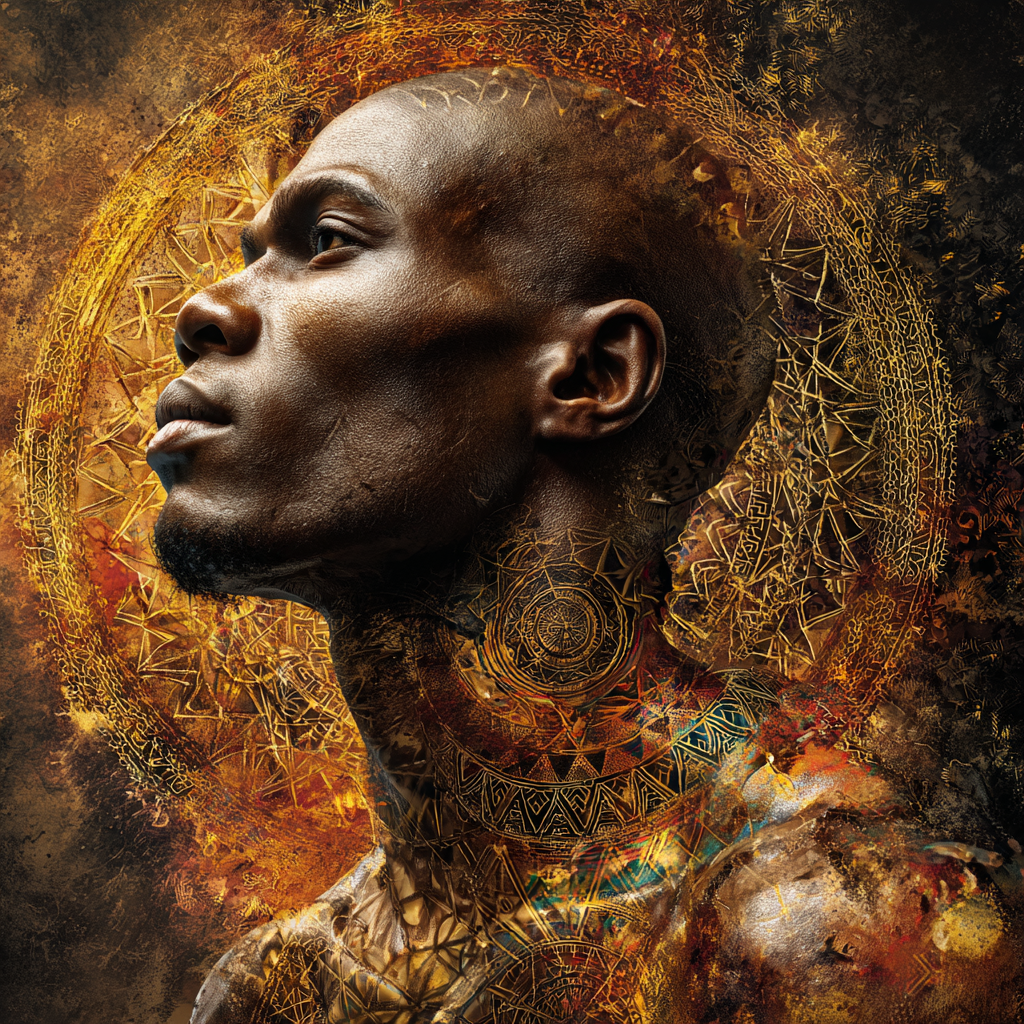
The Stiff-Necked Ego: How The Body Holds Rebellion
The phrase “stiff-necked” often gets thrown around to describe someone who refuses to budge or consider another point of view. I’ve noticed that it appears not only in everyday speech but also in scriptural contexts. When I pay close attention to my own body during moments of great stubbornness, I notice a distinct tension that gathers right at the neck and shoulders. I see how my posture reveals my mindset. The body and the ego seem deeply linked, and nowhere is this connection clearer than how the navel chakra responds in moments of personal rebellion. This article checks out the physical sensations tied to stubbornness, why this happens in the body, and what it feels like when I choose to release control.
The StiffNecked Ego in Everyday Life
“Stiff-necked” comes up in teachings about resistance, pride, and an unwillingness to listen. I know from my own experience that resistance does not just happen in the mind. My body tells the story too, especially when I am set in my ways or guarded against change. The tension shows up in physical ways that often go unnoticed until I intentionally scan my own body.
At a basic level, the nervous system responds to perceived threats or challenges by tightening muscles. The most obvious sign is a “locked” neck or tightened jaw, but the story goes even deeper. When stubbornness rises, the area below the ribs—the navel chakra—begins to contract. I can feel the muscles tense as if bracing for a blow or steeling myself to stand my ground.
Scripture sometimes describes a “stiff-necked” people as those who harden themselves against guidance. In the body, this looks like shoulders drawn upward, breath held shallow, and the belly pulled in defensively. These physiological cues tell me I am holding onto something, an opinion, hurt, or fear of being wrong. My urge to resist comes with a physical cost.
The Navel Chakra and the Energy of Rebellion

The chakra system describes key centers of energy in the body. I focus on the navel chakra (sometimes called the Manipura or solar plexus chakra), which sits at the belly. This area relates to willpower, independence, and personal identity. When I’m feeling stubborn or rebellious, I can usually trace a sensation of heat, tightness, or fluttering right in this zone. There’s a kind of inner bracing or tension that supports my emotional posture of “I won’t move.”
Physiologically, this makes sense. The core muscles stabilize the torso when I feel unsafe or threatened. A strong core can help me stand up for myself, but when overused, it can lock me into a rigid emotional stance. I’ve found this bracing often shows up during arguments or uncomfortable feedback. My nervous system goes into protective mode, sending blood to the muscles and increasing my alertness; everything in me readies to dig in rather than yield.
A blockage at the navel chakra can look like a lack of flexibility, rigidity in thought, or a pattern of emotional “digging in.” Over time, this inner posture translates into chronic tension, digestive issues, and even exhaustion. If left unchecked, these feelings become familiar—transforming from an occasional reaction into a habitual pattern—and might lead me to miss out on growth or deeper connection.
How Stubbornness Shows Up in the Nervous System
When I stubbornly refuse to back down, my body switches up into a mild version of fight-or-flight. My sympathetic nervous system takes charge, narrowing my attention, preparing my muscles, and making me less receptive to others. This is not just a metaphorical “closing off.” The skin along my neck feels tighter. My breathing shortens, and I might even clench my abs or press my tongue to the roof of my mouth.
- Neck and Shoulders: These areas stiffen as my body gets ready to confront or protect.
- Breath: I notice my breath moves higher into my chest, leaving my belly feeling tight and unsettled.
- Belly and Core: The area just above the navel contracts, as if bracing for impact or steeling for a fight.
- Hands and Jaw: I often ball my fists or clench my jaw, subtle signals of my unwillingness to let go.
Sometimes, I only notice these signals after the moment has passed. Other times, awareness in the moment helps me pause and reconsider what I’m defending. The “stiffnecked” ego isn’t wrong to want safety, but it does lock me out of genuine connection and learning. When I stay tuned into these sensations, I open a pathway to shift my reactions and relax both body and mind.
What Surrender Feels Like in the Body
Surrender is often misunderstood as giving up, but I’ve come to see it as an active relaxation, a softening that helps me listen, learn, and let go. Physically, the signs are simple but powerful. My neck relaxes. My shoulders drop. My belly loosens, allowing breath to travel lower and slower. I can feel warmth spreading from my core instead of clenching or coldness. There’s a sense of space rather than contraction.
Surrender doesn’t necessarily involve changing my mind, but it does open a window for new insights. I notice that my face softens, my jaw unclenches, and sometimes I release a deep, spontaneous breath. The navel chakra feels less like a shield and more like a quiet center.
For me, the difference is clear when I bring gentle attention to my body. When I stubbornly hold my ground, energy feels blocked or stuck. When I relax and surrender in the physical sense, there’s an immediate sense of relief, openness, and possibility. These shifts help me remember that yielding brings freedom, not defeat. Practicing surrender has even given a boost to my ability to bounce back from challenges and build stronger relationships, providing a way to move forward more openly.
Common Signals of Rebellion in the Body
Many people notice some of the following cues when they are resisting or refusing to listen:
- Tight, sore neck or upper back
- Lingering tension in the stomach or gut region
- Shallow or rapid breathing
- Increased heart rate
- Difficulty relaxing hands, jaw, or brow
- Feeling “braced” even when not physically in danger
With practice, I’ve learned to spot these subtle alarms in myself before my reactions escalate. I try to tune in to these hints, which gently invite me to soften rather than fight. This growing awareness makes it easier to catch myself heading into a stubborn state and switch things up before I get locked in.
Tips for Releasing Tension and Softening Stubbornness
Releasing physical tension associated with stubbornness often feels challenging, especially in the moment. Here are a few practices that help me reset my body and mix it up out of rigid energy:
- Pause and Scan: I take a moment to notice where I feel tight or closed off, especially at the neck, shoulders, and belly.
- Breathe Deeply: Slow, conscious breaths directed towards the lower belly signal my nervous system that it’s safe to relax.
- Move Gently: I roll my shoulders, stretch my neck, or twist at the waist to break up the embodied tension.
- Focus on the Navel: I place a hand on my belly and picture warmth or light there, encouraging the chakra to open and energy to flow.
- Question the Story: I mentally check what belief or fear I’m clinging to, giving myself permission to release the grip, even a little.
By practicing these steps, I’ve noticed it becomes easier over time to recover from moments of emotional stubbornness and to get involved with others from a place of curiosity and openness. Physical release can lead to emotional or even spiritual relief, supporting my ability to grow and connect. If you want a little extra help, guided body scanning meditations or gentle yoga sessions can also make it easy to shift stubborn energy and bring some balance back to the navel chakra area.
Real World Examples of BodyEgo Connection
When I start an uncomfortable conversation or feel challenged by a new idea, my body tells the story first. If a friend brings up feedback I don’t want to hear, I sense my belly tighten and my neck go rigid. Recognizing these patterns helps me step in before conflict builds. In everyday situations, debates, family disagreements, or even trying something new, the navel chakra area acts almost like an energetic thermostat for my sense of power and willingness to mix it up.
- At Work: During highpressure meetings, stubbornness can show up as crossed arms, clenched abs, or forced posture, all signaling a “digin” mindset.
- In Relationships: Stubborn arguments are often accompanied by physical withdrawal; bodies turning away, legs crossed tightly, or a visible tensing of the jaw and gut.
- Practicing Surrender: In yoga or meditation, focusing attention on the navel chakra while breathing deeply helps soften resistance and create a feeling of peace within the body.
By looking for these cues and tracing them back, I’m able to step in and turn down the tension so that interactions become less about defending my position and more about creating understanding. This body-mind loop ultimately helps me feel more in tune with both myself and those around me.
Frequently Asked Questions
What is the navel chakra, and how does it connect to stubbornness?
The navel chakra is one of 18 main energy centers in the body according to what I have researched. It’s linked to my sense of self, personal power, and will. When this energy gets blocked, I notice stubbornness and rigidity may show up both in my thinking and my posture.
How can I release a “stiffnecked” feeling?
Bringing awareness to the tightness, followed by slow breathing and gentle movement, helps switch both the body and mind out of defensiveness. Simple stretches, neck rolls, and relaxing the core muscles often make a real difference. Even taking a short pause to tune into these areas during tense moments can create space for a shift.
Is surrender the same as giving up?
Not at all. For me, surrender is more about softening and allowing space for new responses, rather than capitulating or abandoning my needs. Physically, surrender looks and feels like relaxation and openness rather than collapse or defeat. It’s a way to keep my boundaries while inviting new options and connections into my experience.
Building BodyConsciousness in Daily Life
By tuning into the navel chakra and noticing how rebellion feels in my body, I get early warnings when I’m about to let stubbornness take over. This bodyawareness helps me choose softness over tension whenever possible. With practice, I gain the freedom to respond in new ways and form connections that aren’t limited by the old “stiffnecked” patterns. The more I practice noticing, relaxing, and asking what the body is telling me, the easier it becomes to let go of what no longer serves and step into each moment with clarity and openness.



This is an interesting perspective, especially the connection between physical tension and moments of resistance—I think a lot of us can relate to that feeling of tightening up when we don’t want to yield.
From a biblical standpoint though, I see “stiff-necked” less as an energy imbalance and more as a heart issue before God. Scripture points to pride, disobedience, and resisting the Holy Spirit—not something rooted in chakras, but in our fallen nature (Acts 7:51). The body may reflect what’s going on internally, but the root is spiritual, not energetic.
I do agree with the idea of “softening,” but for me that comes through humility, repentance, and surrender to Christ, not through activating or balancing energy centers. When we yield to God, He changes the heart—and that’s what ultimately changes our posture, both spiritually and physically.
Curious—how do you reconcile using chakra-based explanations with the Bible’s teaching that transformation comes through the Holy Spirit rather than internal energy systems?
Jason, I really appreciate how clearly you articulated your perspective—it’s grounded, thoughtful, and centered in your relationship with God. And I actually think we’re closer in understanding than it might seem at first glance.
“And the Lord said unto Moses, I have seen this people, and, behold, it is a stiffnecked people”: Exodus 32:9
When I speak about the body holding tension—like being “stiff-necked”—I’m not positioning chakras as a replacement for the Holy Spirit or as an alternative path to transformation. I’m observing something practical: how the inner condition of a person (what you rightly call the heart) often shows up physically in the body. In scripture, that phrase “stiff-necked” is already a physical metaphor pointing to a deeper spiritual reality—resistance, pride, unwillingness to yield. So in my work, I’m simply exploring how that spiritual state expresses itself through the body, and how awareness of that can help someone recognize where they may be resisting.
Where we may use different language is in how we describe the process. You describe transformation as coming through surrender to Christ and the work of the Holy Spirit—and I agree that true, lasting change begins there. What I’m doing is offering people a way to notice when they are not in that surrendered state. For some, especially those who are not yet rooted in scripture or who are coming from different backgrounds, language like “tension,” “energy,” or “imbalance” can be an entry point to self-awareness.
From my perspective, the “chakra system” isn’t something I ask people to worship or rely on—it’s more like a map of human experience. For example, the neck and throat area often tightens when someone is resisting truth, holding back expression, or refusing to yield. Whether someone calls that “resisting the Holy Spirit” or “blocked expression,” the lived experience can feel very similar: tension, constriction, and internal conflict.
So the reconciliation, for me, looks like this:
The Holy Spirit transforms the heart (the source)
The body reflects that transformation—or resistance to it (the expression)
Tools like breath, awareness, or even chakra language simply help a person notice where they are so they can return to alignment—however they understand that alignment, whether through Christ, truth, or inner conviction
I also try to meet people where they are. Some come from a deeply biblical framework like you. Others have never read scripture but still feel something is “off” within them. If I can help both people recognize the moment they are tightening, resisting, or closing off—and encourage them toward softening, humility, and truth—then the doorway is open.
So I don’t see it as either/or (Holy Spirit vs. energy systems), but more as:
source vs. language of awareness.
I’m genuinely curious too—have you ever noticed physical tension in your own body during moments where you later realized you were resisting something God was asking of you? That connection is often where these two perspectives begin to overlap in a very real, lived way.
I really appreciated the perspective you brought to the idea of the “stiff‑necked ego” and how physical tension can be a reflection of deeper resistance or rebellious patterns within us. The way you connected the body’s posture to emotional and energetic holding really shows how tightly our inner world and outer body are intertwined, and I found your insights about how these patterns can show up in everyday life to be thought‑provoking. I also liked that you encouraged readers to become aware of these responses rather than judge them, because that opens up a space for real self‑exploration and healing. After reading, I’m curious what you think about how early life experiences or beliefs might contribute to this stuckness in the body and ego over time — have you noticed any common life themes in people who struggle most with that stiff‑necked holding?
Hanna, this is a thoughtful layer to bring in—because what you’re pointing to is exactly where these patterns take root, not just how they show up.
In my experience, that “stiff-necked” holding almost always traces back to moments where adaptation replaced authenticity. Early on, a person learns—often unconsciously—that being open, expressive, or soft isn’t safe, effective, or rewarded. So the body organizes around a different strategy: hold steady, don’t yield, don’t expose too much. Over time, that strategy becomes posture—not just physically, but energetically and psychologically.
There are a few common themes I tend to see:
Environments where being “right” mattered more than being real → this can create a rigidity in both thought and body, where flexibility feels like loss of control.
Inconsistent or unpredictable authority → the system learns to brace, to stay guarded, which often shows up as tension through the neck and jaw.
Early responsibility or pressure to be strong → the body adopts a subtle defiance: “I’ll carry this, but I won’t bend.”
Experiences where the voice wasn’t heard or respected → interestingly, this can go two ways—either collapse or overcorrection into firmness that becomes immovable.
What’s important is that this “rebellion” isn’t random—it’s intelligent. At one point, it worked. It protected, stabilized, or preserved a sense of self. The challenge is that what once protected can later restrict movement, perception, and connection if it remains unexamined.
That’s why awareness without judgment is so key. When someone begins to notice “I’m tightening here,” or “I’m resisting before I’ve even considered another perspective,” they’re not just observing tension—they’re catching a long-standing identity pattern in real time. That’s where change becomes possible.
A gentle way to work with it is not to force relaxation, but to ask: “What am I protecting right now?” That question often softens the rigidity faster than trying to override it, because it brings the original intelligence of the pattern back into consciousness.
I’m curious—when you notice tension like that in yourself or others, does it feel more like protection, control, or something else entirely?
I read our blog “The Stiff-Necked Ego: How The Body Holds Rebellion,” and I found it interesting, especially the signs of rebellion and the info on how to release tension. The FAQ was informative too. Nice article. Your explanation of the Chakra system and the navel chakra was helpful. -Shirley
Hi Shirley,
Thank you for taking the time to read “The Stiff-Necked Ego: How The Body Holds Rebellion.” I’m really glad the signs of rebellion and the tension-release practices resonated with you. One of the things I find fascinating about the body is how honestly it reflects our inner state—sometimes our muscles, posture, or breathing reveal resistance long before we consciously recognize it.
I’m also happy the explanation of the chakra system and the Navel Chakra was helpful. That center is so closely connected to personal will, self-regulation, and how we process challenges in life. When that energy is balanced, we tend to respond to life with clarity instead of tension. I’m curious—have you ever noticed physical tension easing once you became aware of what you were resisting internally?
I definitely resonate with your exploration of how stubbornness is not just a mindset but something that takes shape in the body, especially around the neck and solar plexus. The way you connect nervous system responses with the navel chakra offers a helpful framework for anyone interested in emotional healing, chakra balance, and mind-body awareness. It is a powerful reminder that releasing tension through breathwork, gentle movement, and body scanning practices can support not only spiritual growth but also healthier relationships and personal development over time. Thank you.
Aly, I’m really grateful for how you articulated that — especially your recognition that stubbornness isn’t just cognitive, it’s somatic. When the neck stiffens and the solar plexus tightens, the body is often defending identity more than defending truth. The “stiff-necked” posture is a protective brace — a nervous system attempt to maintain control when something feels threatening. When we soften the diaphragm and release the cervical spine, we are not becoming weak; we are restoring flexibility to perception. That flexibility is what allows discernment instead of reaction.
I also appreciate that you connected this to relationship health and long-term development. The Navel and Solar Plexus centers govern instinct and will — but unregulated will becomes rigidity. Breathwork, slow rotation of the neck and ribcage, and body scanning create space between stimulus and response. Over time, that space transforms rebellion into conscious choice. That is real strength — not force, but regulated power.