
Dried Lavender Petals
Dried lavender petals are a versatile staple in homes, kitchens, and craft rooms. I put them to work for everything from making herbal teas to fashioning fragrant sachets for my drawers. Lavender’s relaxing aroma alone is a big reason people keep it nearby, but its uses go deeper than just scent. In this article, I’ll run through where dried lavender petals come from, their common applications, creative blends, practical tips, and tackle answers to some of the most popular questions about their use.
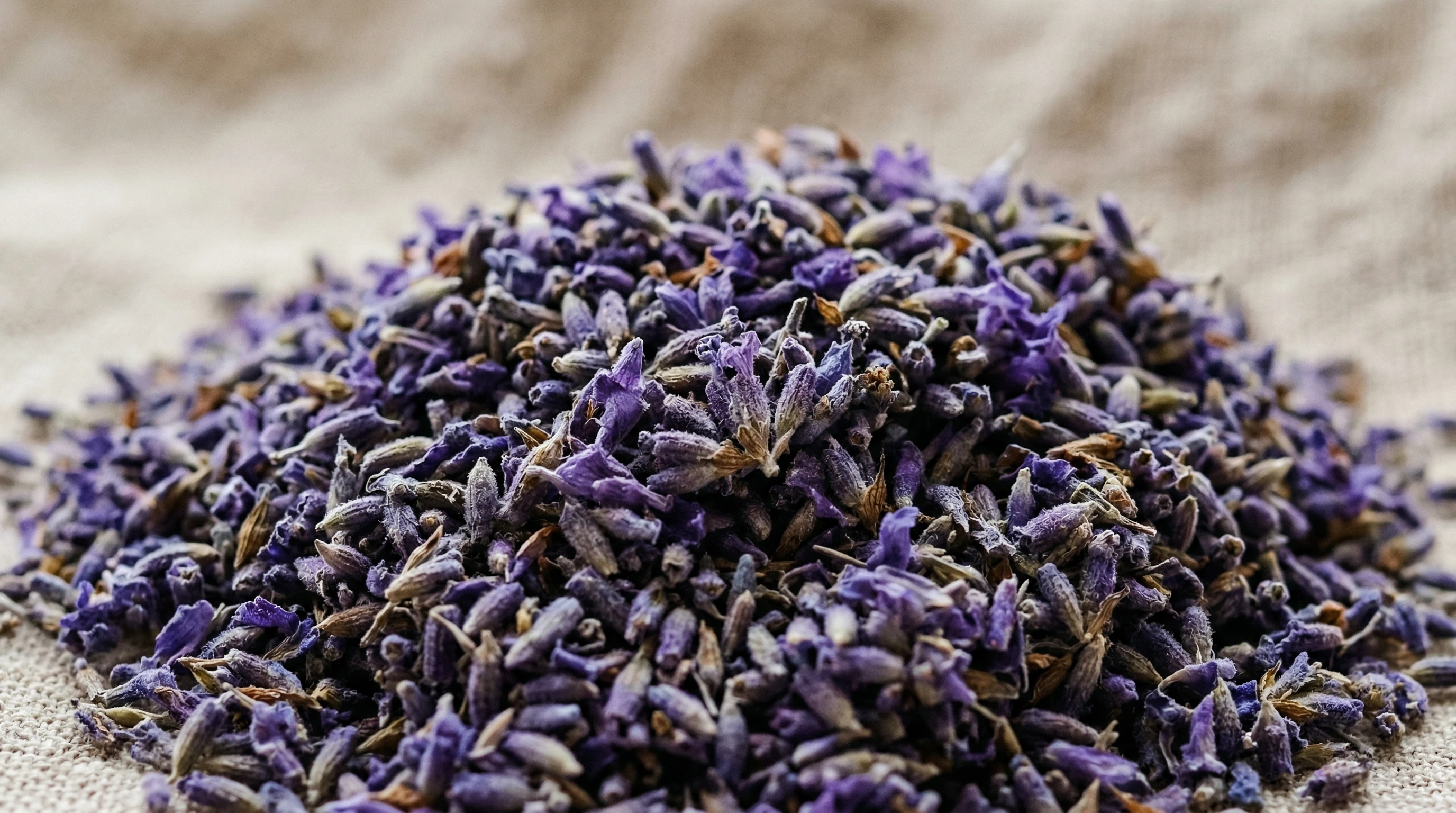
Lavender petals carry a uniquely balancing frequency that moves gently through the energetic system, making them especially effective for harmonizing the Heart, Throat, and Crown Chakras within my practice. I experience lavender as a bridge between emotional regulation and spiritual clarity—its soft floral essence calms the nervous system (Heart), loosens suppressed expression (Throat), and opens a quiet channel for higher awareness (Crown). When I work with lavender petals—whether in tea, bath infusions, or ritual oils—I notice a subtle unwinding of internal tension, as if the body is being reminded that it is safe to soften. This creates the ideal energetic condition for healing: not force, but release. Lavender does not push energy; it stabilizes it, allowing coherence to naturally re-emerge across the field.
Where Dried Lavender Petals Come From
The dried lavender I use most often comes from the species Lavandula angustifolia, known as English lavender. Lavender is native to the Mediterranean, but nowadays it grows almost everywhere, in both home gardens and on commercial farms. The petals get harvested during late spring through summer, right as the flowers start to open, to capture the richest scent and deepest color possible.
Once harvested, blooms are dried in the shade with plenty of airflow to lock in their trademark fragrance and vivid purple hue. After drying, petals are separated from stems, sifted, and packed for different purposes. When I shop for dried lavender, I look for organic sources and always sniff for a strong, pleasant aroma. That’s how I know I’m getting the best results from every batch.
Growing lavender at home is easy, too. If you’re interested, just pick a sunny spot with well-drained soil and give your plants space to breathe. Regular pruning helps the plant stay healthy and boosts flower production—meaning even more petals to enjoy.
Everyday Uses for Dried Lavender Petals
Dried lavender petals can help out in nearly every part of daily life. Anytime I want calming scents or want to give food and drinks a floral twist, lavender is my go-to. Here are some top ways I use lavender petals regularly:
- Tea and Infusions: Steep a teaspoon in hot water to make a relaxing herbal tea. Mixed into black or green tea, it brings a gentle, floral note. Some folks even blend lavender with mint or chamomile for even more calming vibes.
- Sachets and Drawer Fresheners: Little cloth bags filled with petals keep clothes and linens smelling fresh. This trick has never failed me—my closet always reminds me of a blooming garden!
- Baking and Cooking: Dried lavender takes shortbread cookies, cakes, and syrups up a notch. I always use food-grade petals and start with a small pinch to avoid overpowering the dish with its bold flavor.
- Baths and Soaks: Sprinkling a handful straight into bath water creates a spa vibe at home. Pairing petals with Epsom salts makes the whole soak even more soothing after a long day.
- Potpourri and Room Scents: Bowls filled with petals or mixed into potpourri blends freshen up living spaces without any harsh synthetic chemicals.
Lavender goes beyond just pleasant smells. Research backs up its relaxing properties; lavender aromatherapy has been shown to lower stress and help encourage deeper sleep.
Alchemical Salt Blends and Herbal Crafting with Lavender
Dried lavender petals are always on my list when I hop into homemade herbal blends. The gentle floral note fits perfectly in both recipes and nonedible projects. My favorite project is crafting alchemical salt blends—decorative and fragrant salts I use for bathing, rituals, and even as gifts for friends.
- Bath Salt Blends: I stir together dried lavender, sea salt, Epsom salts, and a few drops of essential oil for a soothing bath soak. This simple mix is fantastic for winding down after a busy day.
- Cleansing and Spiritual Uses: Pairing lavender with rosemary and sage, I can make smudge sticks or purification salts. Many people value lavender for its calming, protective qualities.
- Kitchen Salt Blends: Culinary salt mixes featuring lavender petals are great on roasted veggies, meats, or even simple salads. When I want to add an elegant flair, I mix petals, sea salt, and lemon zest for a burst of flavor.
I always reach for top-quality herbs and store my blends properly. A sealed glass jar in a cool, dark place preserves lavender petals’ scent and color for months. Mixing lavender petals with other herbs, such as basil, rosemary, or mint, adds complexity and opens up new, exciting flavors. Don’t be afraid to experiment with your own combinations—you may stumble upon a signature blend you love!
How to Store and Handle Dried Lavender Petals
Keeping lavender fresh is all about storage. I always stash dried petals in airtight containers—glass jars work best—away from direct sunlight and humidity. They keep both fragrance and color this way. If I notice the petals getting dull or less aromatic, that usually means they’ve picked up moisture from the air; tossing in a small silica gel pack quickly revives them and keeps them fragrant a while longer.
For food or drink, always pick products labeled food-grade. This is especially important because some lavenders are grown only for decorative or aromatic purposes and might have been processed with nonedible stuff.
Another pro tip: Give your lavender petals a quick sift before using especially in baking or crafts—a stray stem can throw off the texture of delicate recipes. If flavor is too strong, blend petals with other herbs like mint or chamomile to mellow things out.
Common Pitfalls and Practical Tips
Over the years, I’ve learned a few lessons the hard way when working with lavender. Here are some things I keep in mind to avoid common mistakes:
- Using Too Much: Lavender’s flavor is intense and can tip over into soapy territory fast. Start with a tiny pinch in teas or recipes and only add more if needed.
- Choosing the Wrong Variety: Lavandula angustifolia is best for cooking and drinks—other types are bitter or harsh, so save those for crafts or potpourris.
- Old or Stale Lavender: Petals lose punch as they age. I aim to use my stash within a year and refresh supplies often.
- Food Safety: Confirm that any herb you use in food or drink is food-safe. Labels should make this clear; don’t take risks with unknown sources.
Mixing in some extra herbs or citrus zest can balance flavors if a dish turns out too powerful. If you’re trying lavender in food for the first time, start slow—it’s easier to add more, but tough to tone down an overly floral taste.
Creative DIY Ideas with Lavender Petals
Lavender’s eye-catching purple color and wonderful aroma inspire a never-ending stream of creative projects. Over the years, I’ve made sachets for under my pillow, lavender honey for yogurt, and soap bars ribboned with petals. If you’re eager to try something hands-on at home, give one of these a go:
- Pillow Sachet: Sew a simple rectangle out of cotton, fill it with lavender petals, and stitch shut. Slip these into pillowcases or drawers for lasting scent and calm nights.
- Lavender Sugar: Mix petals and sugar in a jar, let it sit a week, then sprinkle onto biscuits or stir into coffee. The sweet floral twist is a real treat.
- Infused Oil: Soak dried petals in almond or olive oil in a sealed jar for a few weeks, then strain. The finished oil makes a gentle, aromatic skin moisturizer or peaceful massage oil.
- Homemade Candles: Drop dried petals into melted wax to create beautiful, fragrant candles. Just remember, use a light hand—too many petals can make the candles burn unevenly or pose a fire hazard.
If you have kids helping, supervise them closely, especially when working with hot wax or oils. These projects make wonderful gifts or personal keepsakes that bring a calming vibe to any home space.
Frequently Asked Questions
Question: How long do dried lavender petals last?
Answer: Stored in the right conditions, dried petals hold their color and fragrance for up to a year. After that, the aroma might fade, but they’re still fine for decorative purposes or nonfood crafts.
Question: Can you eat any dried lavender petals?
Answer: Stick with culinary or food-grade varieties. Lavandula angustifolia is tasty and safe for recipes, but other lavender types might be too strong or unsuitable for eating.
Question: Are there health benefits to using lavender in tea or baths?
Answer: Lavender has gentle calming effects supported by research. Loads of people sip lavender tea or use it in baths for stress relief and improved sleep. If you have allergies or medical concerns, check in with your healthcare provider first.
Question: How can I tell if lavender has gone bad?
Answer: When the scent fades or petals start to look grey or moldy, it’s time to get a new batch. Musty aroma or visible mold are sure signs the petals are past their prime.
Why Dried Lavender Petals are Worth Keeping Around
Dried lavender petals pack plenty of value into their delicate purple layers. They’re handy for flavor, peaceful scents, and for all sorts of creative adventures. Whether I’m making a cup of tea, adding a homemade touch to bath salts, or mixing up an herbal blend, having some dried lavender nearby makes life a little brighter. With a bit of know-how and care, these petals can freshen up your living space, give a boost to recipes, and spark creative projects all year round.