
Epsom Salt And Chakra Healing
I have always been amazed by how simple ingredients like Epsom salt can play such a meaningful role in holistic self-care and personal energy work. Epsom salt, known scientifically as magnesium sulfate, has a long history of being used to support relaxation and well-being. When I connect its benefits with chakra healing, things start to feel even more purposeful and accessible. In this article, I will share what I’ve learned about using Epsom salt for chakra healing, along with helpful tips and everyday uses.
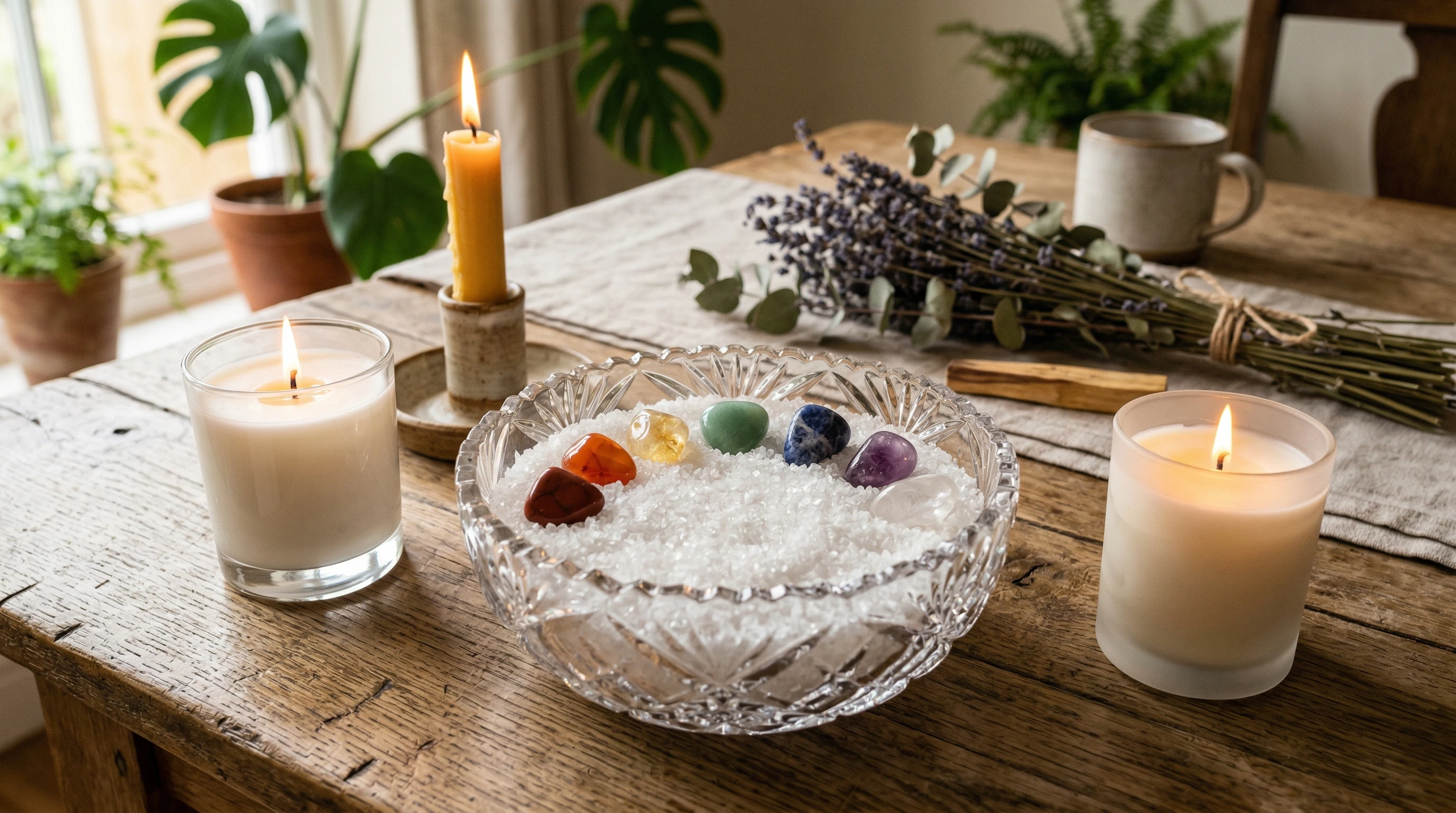
Understanding Epsom Salt and Its Benefits
Epsom salt is a mineral compound made from magnesium and sulfate. Magnesium helps the body relax and manage stress, while sulfate supports detoxification. When dissolved in warm water, Epsom salt releases these minerals, which can be absorbed through the skin. Many people turn to Epsom salt baths to help with muscle soreness, relaxation, and stress relief. Some research suggests that magnesium can help the body maintain equilibrium, though more scientific studies are needed to back up all its health claims. The key benefit that stands out for chakra work is how it helps create a sense of calm and balance, important qualities for anyone seeking energy healing or looking for a grounding self-care routine. On top of that, Epsom salt is affordable and widely available, making it a favorite for many wellness enthusiasts.
An Introduction to Chakra Healing
I find that a lot of people are curious about chakras but are unsure where to begin. Chakras are energy centers in the body, according to many Eastern traditions. The seven main chakras run from the base of the spine (Root Chakra) to the top of the head (Crown Chakra). Each chakra is linked with specific emotions, organs, and aspects of our mental, spiritual, and physical health. When a chakra becomes blocked or stagnant, energy doesn’t flow properly, and this can show up as stress, tiredness, or discomfort. Chakra healing involves techniques that encourage energy to move freely, helping me feel balanced and connected. Over the centuries, people have written extensively about various methods for supporting each chakra, from meditation and sound therapy to bodywork and mindful movement. Below is a quick guide to the seven major chakras and their main associations:
- Root Chakra (Muladhara): Security, grounding, and stability.
- Sacral Chakra (Svadhisthana): Creativity, passion, and relationships.
- Solar Plexus Chakra (Manipura): Confidence and personal power.
- Heart Chakra (Anahata): Love and compassion.
- Throat Chakra (Vishuddha): Communication and truth.
- Third Eye Chakra (Ajna): Intuition and insight.
- Crown Chakra (Sahasrara): Spiritual awareness and connection.
Sometimes, people use crystals, visualizations, yoga, or affirmations along with Epsom salt soaks to get more out of their chakra practice. Combining physical and energetic routines like this often helps me stay consistent and more aware of energetic patterns in my daily life.
How Epsom Salt Supports Chakra Healing
Epsom salt’s core benefits match up with some of the common needs in chakra healing. When I use Epsom salt, especially in a bath or soak, I feel a deep sense of grounding (supporting the Root Chakra) and relaxation (benefiting the Heart and Solar Plexus Chakras). The act of soaking in Epsom salt can also feel like a ritual, helping me clear away the stress and energetic clutter of the day. This makes it easier to tune into the subtle cues my body gives me about which chakras need attention.
On a physical level, a warm Epsom salt bath can help ease muscle tension and soothe minor aches. On the energetic level, people use Epsom salt to help “cleanse” their energy fields, a process some call an “aura cleanse.” Combining these two effects means that Epsom salt can be a simple way to support balance across multiple chakras at once. Epsom salt also offers a gentle transition from an active day to a more reflective evening, especially when ritualized as part of a bedtime routine. Many find the aromatic nuances of custom Epsom salt blends add a unique sensory touch that deepens the experience.
Everyday Uses for Epsom Salt in Chakra Healing
I fit Epsom salt into my daily or weekly wellness rituals in several ways. These are some of the easiest approaches that have helped support my chakra work:
- Full-Body Baths: I like to add about two cups of Epsom salt into a bathtub filled with warm water, then soak for 20 to 30 minutes. I focus on breathing deeply and picture energy flowing through my chakras from the base of my spine to the crown of my head.
- Foot Soaks: On busy days, when I feel ungrounded or tense, I fill a basin with warm water, dissolve half a cup of Epsom salt, and soak my feet for around 15 minutes. Foot soaks target the Root Chakra and help me feel stable and present.
- Energy Clearing Showers: Even when I don’t have time for a full bath, I keep a jar of Epsom salt in my shower. I mix a small handful with a few drops of essential oil and gently rub it onto my body before rinsing, while visualizing stagnant energy washing away.
- Hand Soaks: When I need a quick midday reset or my hands feel tense after lots of typing or lifting, I soak them in a bowl of warm water and Epsom salt for ten minutes. This simple act targets the Heart and Throat Chakras, encouraging calm and honest self-expression.
These easy routines help me set aside time for intentional rest, which is really important for keeping chakras in balance. Over time, I’ve found that incorporating simple Epsom salt rituals into my week helps keep me centered and more present, ready to face whatever comes my way.
Alchemical Salt Blends: Combining Epsom Salt with Herbs and Essential Oils
Making Epsom salt blends at home is something I truly enjoy because I can customize each mix to suit which chakras need the most support. Adding dried herbs, flower petals, or essential oils creates a multisensory experience that goes beyond the basics of a soak. Aromatherapy has its own long history of supporting wellness, and when paired with Epsom salt, the effects can feel even more layered and meaningful.
- For the Root Chakra: I blend Epsom salt with earthy essential oils like vetiver or patchouli. Sometimes I add dried rosemary or cedar chips.
- For the Sacral Chakra: Ylang ylang, sweet orange, or calendula petals work really well. These scents and colors encourage creativity and openness.
- For the Solar Plexus Chakra: Lemon, ginger, and chamomile support energy and personal empowerment.
- For the Heart Chakra: Rose petals and a few drops of rose or geranium essential oil make a beautiful and nurturing mix.
- For the Throat Chakra: Eucalyptus or peppermint help clear my mind and encourage honest expression.
- For the Third Eye Chakra: Lavender and clary sage are gentle choices that help with insight and focus.
- For the Crown Chakra: Frankincense and lotus essential oils provide a spiritual, serene scent.
To use these blends, I simply add them to the bath or sprinkle a handful in a foot soak. Whenever possible, I pay attention to which blend feels right for me on a given day, trusting my instincts to guide the healing process. Experimenting with colors—using flower petals or crystals in the same color family as each chakra—can add a visual element that amplifies my sense of ritual and intention during these self-care moments.
Simple Steps to Start Using Epsom Salt for Chakra Healing
It’s easy to feel unsure about where to begin, so I suggest starting with small, regular habits. Here’s how I usually go about it:
- Pick Your Focus: Choose the chakra you want to support based on how you’re feeling. For example, if I feel stressed and scattered, I focus on the Root and Solar Plexus Chakras.
- Prepare the Space: Clean the bathroom or soak area, dim the lights, and light candles or incense to create a soothing atmosphere. Adding soft music or gentle sounds can deepen your sense of relaxation.
- Mix Your Soak: Use plain Epsom salt or create a blend using the guidelines above. Add the salt to warm water until it dissolves fully.
- Breathe and Visualize: While soaking, close your eyes and imagine energy moving through your chosen chakra, becoming brighter and more open with every breath. Sometimes I guide myself through a chakra meditation, focusing attention on the physical location of the chakra as I breathe in and out.
- End with Gratitude: After your soak, dry off and spend a moment being thankful for the time you gave yourself. I find this helps me carry the balanced feeling into the rest of my day.
By following these steps, you can gradually establish a regular ritual that suits your schedule and personal needs. Keeping it simple at first—that’s how you lay the foundation for lasting results. Over time, I’ve learned to adapt these steps as my body and energy change with the seasons, daily stressors, or big life events.
Things to Consider Before Trying Epsom Salt Chakra Rituals
Some people might have sensitive skin or health conditions that don’t mix well with Epsom salt. If you are pregnant, have diabetes, open wounds, or very sensitive skin, it’s a good idea to talk with your healthcare provider before starting Epsom salt routines. Allergies to essential oils can also happen, so I like to do a patch test when trying new blends. If you have any questions about new products or how they might affect your health, don’t hesitate to ask a healthcare professional for advice.
Drinking plenty of water before and after a soak supports detox and helps you feel refreshed. I also make sure the bathroom is well ventilated, and I always take it slow, starting with shorter soak times to see how my body responds. Personal comfort and safety are really important parts of every healing ritual. For anyone with mobility challenges or difficulty standing safely in the tub, a seated soak—like a simple hand or foot bath—can be just as rewarding without risk. Adjust everything for your own comfort, and always listen to your body.
Frequently Asked Questions About Epsom Salt and Chakra Healing
Question: How often can I use Epsom salt baths or soaks?
Answer: I usually find two or three Epsom salt baths a week to be comfortable and effective. If you have sensitive skin, try spacing sessions out more until you find what feels best.
Question: Does Epsom salt really “cleanse” my energy or chakras?
Answer: Many people, myself included, notice that Epsom salt helps them feel lighter and more balanced after use. While modern science recognizes the relaxation benefits of magnesium, chakra cleansing is based on traditional energy concepts rather than clinical proof. What matters most is how your experience feels to you. Practitioners often suggest keeping a journal to record your feelings before and after each session, helping you spot patterns in your energy and emotions over time.
Question: Can I use table salt or sea salt instead?
Answer: Epsom salt is distinct because of its magnesium content, which gives it the relaxation benefits described earlier. Sea salt can be used for other spiritual or cleansing purposes, but it does not provide the same muscle-soothing effect as Epsom salt. Both types of salt are valued in different wellness rituals, but for chakra and energy work that focuses on relaxation, I prefer Epsom salt.
Question: Are there any risks with using colored or scented Epsom salt products?
Answer: Dyes or artificial fragrances can irritate sensitive skin. I prefer to use plain, unscented Epsom salt and blend in my own essential oils and herbs to avoid harsh additives. If you do choose a store-bought scented variety, read the ingredient label carefully and do a patch test on your wrist or inner arm.
Creating a Personal Ritual Around Epsom Salt and Chakra Healing
Blending Epsom salt into my chakra practice feels grounding and meaningful. I keep it simple and focus on how I feel before and after each soak. With regular use, Epsom salt routines have given me moments of clarity, relaxation, and even a sense of emotional release when I’m working through big feelings or life transitions. Friends and family sometimes ask for guidance, and I always encourage them to start small and pay attention to their own unique responses—there’s no single right way to approach energy work.
For anyone starting out or exploring new ways to support their energy, Epsom salt provides a practical and easily available tool to connect body, mind, and spirit. The most important part is tuning in to your own needs and creating a ritual that feels genuine and soothing in your everyday life. With a little curiosity and care, this simple mineral can be a wonderful ally for energy healing and overall well-being, no matter where you are on your personal adventure.