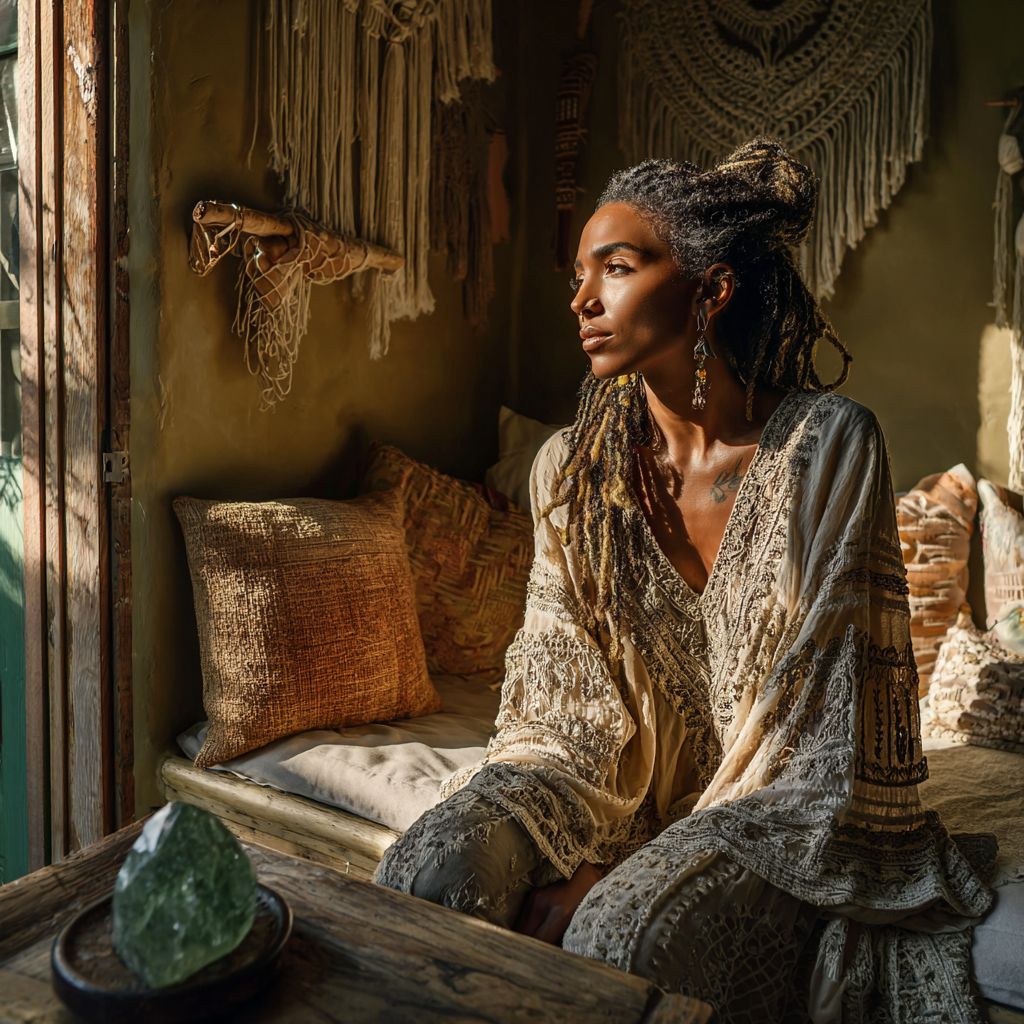
Moldavite And Chakra Healing
Moldavite holds a unique place among healing crystals, especially for people drawn to spiritual growth and self-discovery. This beautiful, deep green stone is known for its intense energy and close ties to transformation. If you’re like me and curious about how crystals can support your wellness or meditation adventure, learning how moldavite works with the chakras can be really helpful. I’ll be sharing my experience and the knowledge I’ve gathered to help you make sense of moldavite’s place in chakra healing.
Introduction to Moldavite and Chakra Healing
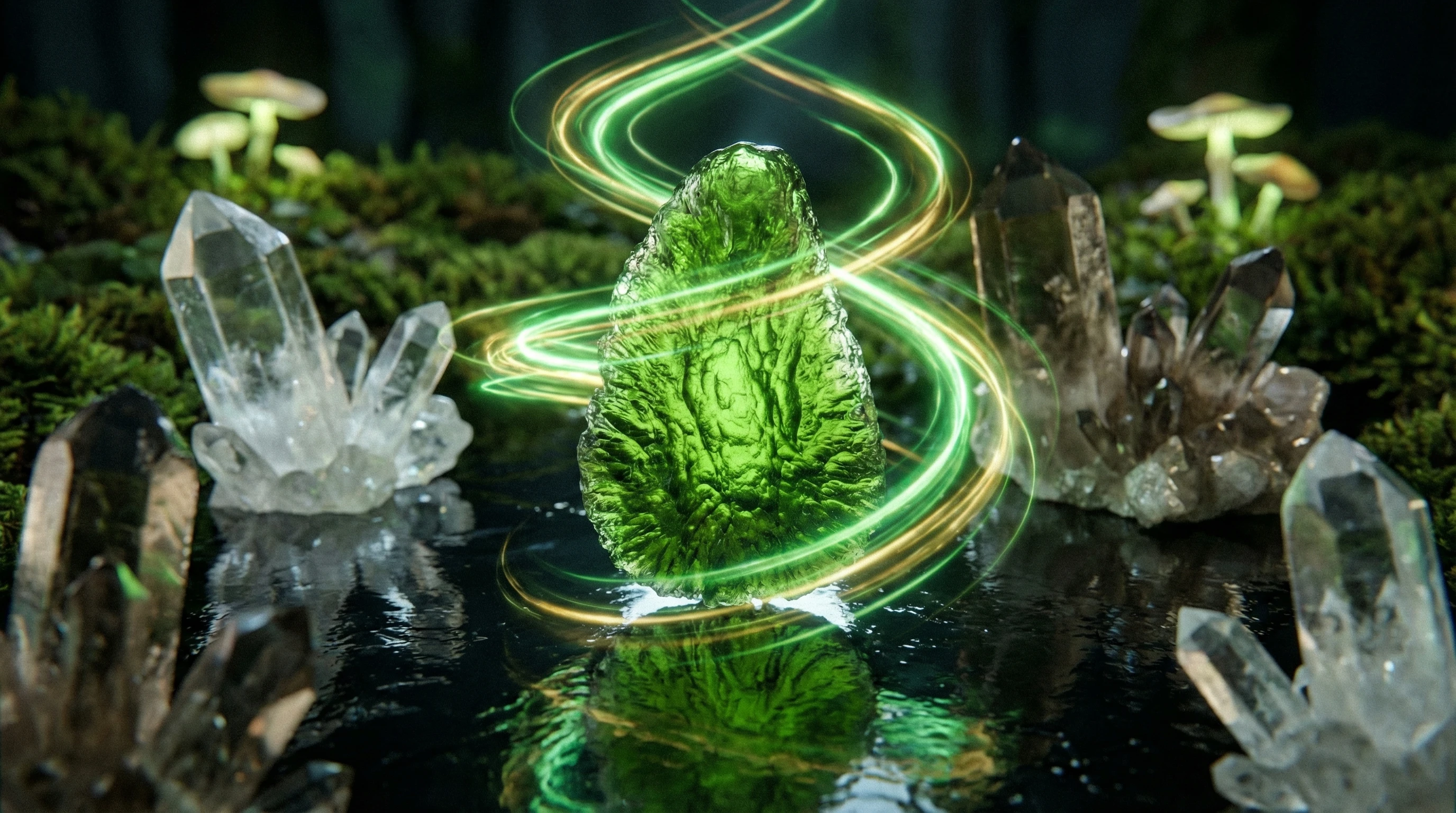
Moldavite is a rare type of tektite formed from the impact of a meteorite that hit Central Europe around 15 million years ago. The stone is mainly found in the Czech Republic and has developed a reputation for having an energy that many people feel physically when they first hold it.
I’ve noticed that moldavite’s popularity has grown, especially among people interested in using stones for personal transformation. Its appeal comes from stories of powerful energetic switch ups, sudden life changes, and deep emotional release when working with the stone. In crystal healing, moldavite is said to vibrate at a high frequency, which makes it popular for people looking to switch up their energy, expand their consciousness, or work through stubborn emotional blocks.
Chakra healing is the practice of balancing or clearing the seven main energy centers along the spine, from the base to the crown of the head. Each chakra is connected with different physical, emotional, and spiritual aspects of life. Using stones like moldavite is believed to help activate, get in line, or clear these energy centers, leading to a greater sense of well-being and clarity.
How Moldavite Works with the Chakras
When I first tried working with moldavite during meditation, I felt a rush of tingling energy that seemed to vibrate through my whole body. Many people pick up on this energy very quickly, often feeling warmth or pressure in the areas around the heart or head. The most common belief among crystal users is that moldavite mainly activates and clears the heart chakra and the third eye and crown chakras.
Here’s how moldavite connects with specific chakras:
- Heart Chakra (Anahata): Moldavite is often used to open the heart, helping to release emotional wounds and encouraging forgiveness, love, and acceptance. This is helpful if emotional baggage has been weighing you down or if you’re looking to invite more compassion into your life.
- Third Eye Chakra (Ajna): The high frequency of moldavite is said to stimulate the third eye, supporting intuition, inner vision, and psychic awareness. I’ve used it while journaling or visualizing and noticed an increase in creative ideas and clarity during those sessions.
- Crown Chakra (Sahasrara): Many people experience sensations at the top of the head when holding moldavite. This chakra is connected to higher consciousness, spiritual awakening, and feeling linked to a bigger purpose than ourselves.
Some also use moldavite with the lower chakras when they want to encourage dramatic change or break habits that keep them stuck, but most reports focus on moldavite’s effect on the heart and above.
Getting Started with Moldavite and Chakra Work
Working with moldavite can be intense, especially for beginners. Before I spent more time with it, I read plenty of stories about people feeling overwhelmed, dizzy, or even a bit anxious at first. Taking it slow and pairing moldavite with grounding stones like black tourmaline or smoky quartz helped me keep my balance while still enjoying the crystal’s uplifting energy.
Here are some easy ways to introduce moldavite into your chakra healing practice:
- Meditation: Hold the stone over the heart, forehead, or crown during meditation. Focusing on the breath and setting a clear intention helps manage any strong sensations.
- Wearing Moldavite: Wearing a small pendant or keeping a piece in your pocket allows for a gentle introduction to its energy. I started with a necklace and wore it for only an hour or two at a time to get used to the intensity.
- In Crystal Grids: Including moldavite in a grid with stones that match your healing goals can focus its energy and support the chakra you want to work on. Placing grounding crystals around moldavite in the grid also helps balance things out.
- Journaling and Reflection: Some people, myself included, find that writing down thoughts or feelings that come up after working with moldavite helps process changes, insights, or emotions that surface.
If you’re new to chakra healing, take time to research or connect with experienced practitioners. Combining careful self-reflection with responsible crystal use makes for a safer, more enjoyable experience. You can track down more about chakra systems at sources like the National Center for Complementary and Integrative Health (NCCIH).
Tips for Using Moldavite in Chakra Healing
In my experience, using moldavite with intention is really important. The stone’s energy can switch things up quickly, especially if you’re sensitive to energy work or going through a period of change. Here are some practical suggestions that helped me and might help you, too:
- Go Slow: If the energy feels too strong, take breaks and let yourself adjust over days or weeks.
- Stay Grounded: Pair moldavite with black tourmaline, hematite, or another grounding stone to balance out the sensation of being “floaty” or distracted.
- Hydrate and Rest: Sometimes energy switch ups can leave people feeling thirsty or tired. Drinking water and getting enough rest makes the adjustment smoother.
- Pay Attention to Emotions: Moldavite is known for bringing buried patterns and emotions to the surface. Being gentle with yourself and open to asking for support is really helpful during this process.
Following these suggestions helped me stay positive and open during some pretty big transitions in my life. Each person’s experience will be different, so trusting your instincts is really important.
Common Challenges and How to Handle Them
Like any tool for self-growth, moldavite has its challenges. I’ve heard and experienced some of the most common issues, and I’ve found ways to handle them comfortably.
- Strong Reactions: Intense emotions, racing thoughts, or feeling scattered can show up. Keeping sessions short and grounding afterward usually helps a lot.
- Unrealistic Expectations: Expecting instant results can lead to disappointment. Moldavite may bring opportunities or insights, but staying realistic and patient is important.
- Choosing the Right Piece: Buying from a trusted source matters because fake moldavite is common on the market. I always ask for authenticity certificates and look closely at origin information.
- Energy Overload: Feeling overwhelmed or “spaced out” sometimes happens, especially if I use too many high vibe crystals together. Taking a break, walking outside, or being in nature helps reset my energy.
Everyone responds differently, so making adjustments to your practice can help keep things positive and supportive for your needs. You can check out more about crystal healing safety from sites like MindBodyGreen (MindBodyGreen: Healing Crystals Guide).
Applications: Real-Life Uses for Moldavite in Energy Work
Moldavite isn’t limited to meditation alone. I’ve found it helpful in different situations related to chakra and energy work:
- Emotional Healing: Holding moldavite while thinking about a difficult situation has sometimes led to fresh insights or the release of old feelings.
- Creativity Boost: Keeping moldavite on my desk during creative projects, especially ones involving writing or art, seems to spark new ideas or break through blocks.
- Sleep and Dreams: Placing moldavite near my bed has led to more vivid or meaningful dreams, indicating possible crown or third eye stimulation even during sleep.
- Group Healing Sessions: I’ve brought a piece to group meditations or energy healing circles and noticed the overall vibe seems a bit lighter and more focused.
These are just examples. Try out what feels best for you and combine moldavite with trusted practices to help you build your own process. If you are new to these techniques, consulting an experienced energy healer or reading credible guides is a good idea.
Frequently Asked Questions
Here are some questions I hear from friends and clients who are interested in using moldavite for chakra healing:
Question: Is moldavite safe to use for everyone?
Answer: Most people can use moldavite safely with mindful practices. If you’re extra sensitive to energy or managing mental health conditions, checking in with a holistic professional before adding new elements to your routine is a good step.
Question: How do I know if my moldavite is real?
Answer: Buy from reputable sellers, ask for certificates, and check reviews. Real moldavite typically feels lighter and may have a slightly pitted or “wrinkled” texture. There are guides online that offer photos and tips for spotting fakes.
Question: Can moldavite be used every day?
Answer: Many people do use moldavite daily, but taking breaks can help if you notice fatigue or feel overwhelmed. Listen to your body and adjust how often you work with it as needed.
Finding Your Path with Moldavite
Working with moldavite in chakra healing is a personal process that can support emotional, mental, and spiritual growth. Careful, gradual introduction and listening to your own needs is really important for positive results. Each experience is unique. When approached with mindfulness, this powerful green stone offers a valuable tool for self-discovery, clarity, and transformation. As you explore, remember that combining research, self-care, and trust in your intuition creates the best foundation for your practice. If you’re ready to take things up a notch, moldavite might be the catalyst you’ve been searching for—just make sure to keep your heart and mind open on your adventure.
This is one of the most balanced and informative articles I’ve read on Moldavite. You perfectly capture its dual nature: the intense ‘activation’ and the absolute necessity for grounding and integration. The ‘Moldavite Initiation’ phase you describe aligns with experiences I’ve heard from others—it’s not just a crystal, but a true catalyst for spiritual realignment. Your emphasis on pairing it with stabilizing stones like Smoky Quartz is such essential, practical advice. Thank you!
Thank you so much, Cian — I truly appreciate this thoughtful reflection.
You articulated something that’s very important and often overlooked: Moldavite isn’t a passive stone; it’s an initiatory catalyst. What many people experience as “intensity” is really the nervous system and energy body being asked to recalibrate faster than it’s accustomed to. Without grounding and integration, that can feel destabilizing rather than illuminating.
I’m especially glad the emphasis on pairing Moldavite with stabilizing allies like Smoky Quartz resonated with you. Grounding isn’t a limitation to spiritual growth — it’s what allows the activation to become embodied wisdom instead of fleeting upheaval. Integration is where transformation actually settles into the body, the choices, and the life.
Thank you for recognizing the balance in the article and for adding your voice to the conversation. This kind of shared discernment helps keep spiritual exploration both powerful and safe
“This is such an insightful guide on moldavite and chakra healing! ???? I love how you explained the connection between moldavite and specific chakras like the heart, third eye, and crown—it really helps beginners understand where to focus. I’ve tried using moldavite during meditation, and I can totally relate to the tingling energy and intense sensations you mentioned. Pairing it with grounding stones like black tourmaline has been a game-changer for me too.
I also appreciate your practical tips for getting started—starting slow, journaling reflections, and paying attention to emotions are all such smart ways to make the experience safe and meaningful. The sections on real-life applications, like boosting creativity or supporting group healing sessions, really show how versatile moldavite can be.
This post makes me want to revisit my own practice with moldavite and explore layering it with other crystals. Thanks for sharing such a thorough and thoughtful guide! ????✨”
Thank you so much for this thoughtful and generous response, Monica — I really appreciate you taking the time to share your experience.
I love that you mentioned the tingling and intensity during meditation; that’s something many people notice with moldavite, and it’s reassuring for beginners to hear that those sensations are both common and manageable when approached mindfully. Pairing it with grounding stones like black tourmaline is such a wise practice, and I’m glad that balance has been supportive for you.
I’m also really happy the practical guidance resonated — starting slow, journaling, and staying emotionally aware are some of the most important parts of working with a high-frequency stone like moldavite. It’s not about rushing transformation, but allowing insight and growth to unfold in a grounded way.
Layering moldavite with other crystals can be a beautiful next step, especially when done with intention and reflection. Thank you again for sharing your experience and for engaging so deeply with the guide — comments like yours add so much richness to the conversation.
I really enjoyed this article, thanks for sharing it! I’ve heard about moldavite before but never really understood how it connects to chakra healing until reading this. The way you explained its energy and its role in transformation and emotional clearing made it much easier to understand. I also found myself thinking about how this could relate to sports and athletic performance. As someone who trains seriously, I’ve learned that mindset and emotional balance are just as important as physical ability.
I’m curious if any athletes or active people here have experience using chakra work or crystals to help with focus, motivation, or even recovery. Do you think moldavite could help someone stay grounded and centered before a big event or intense workout?
Hi Kevin, thank you so much for sharing this thoughtful reflection — I really appreciate how you connected the article to your training and athletic mindset.
You’re absolutely right that focus, emotional balance, and mental clarity play a huge role in performance, recovery, and consistency. Many athletes already work with these principles through breathwork, visualization, mindfulness, and nervous-system regulation — chakra work simply offers another symbolic and reflective framework for exploring the same inner terrain.
With moldavite specifically, it’s worth approaching it with awareness. Moldavite is often described as highly activating rather than grounding. People tend to use it for deep transformation, emotional release, or perspective shifts, which can be powerful — but not always ideal right before intense physical activity. For some, its energy feels expansive or destabilizing rather than centering.
If someone were curious about integrating crystals into an athletic routine, a common approach is:
Grounding stones (like black tourmaline, hematite, or smoky quartz) before competition or training to support presence and calm focusClear, steady stones (like clear quartz) for intention-setting and mental clarityUsing more transformative stones like moldavite off the field — during reflection, recovery periods, or moments of personal growth rather than performance itself
That said, everyone’s experience is subjective. Some active people enjoy using crystals simply as mental anchors — something to hold, focus on, or associate with a specific intention, much like a pre-game ritual or breathing cue. In that sense, the benefit often comes from how it supports awareness, confidence, and emotional regulation rather than from the stone itself.
Your curiosity around this is spot-on, and it’s great to see athletes thinking holistically about mind–body balance. Thanks again for contributing such a grounded and insightful question — it adds a lot to the conversation.
I have heard of Chakra healing, but I never really knew much about it until after reading your article. From my own experience I have found natural healing to be my best choice over medications, that is what brought me to your website to see if this Chakra healing might be something I want to try.
Your getting started section is very helpful for someone not familiar with this type of healing. I do practice mediation daily so this might be the best place for me to begin.
Common challenges and how to handle them is another worthy section I found to be interesting as well as helpful, as someone new to this I am quite interested in giving this a try.
Thank you much
Jeff
Hi Jeff,
Thank you so much for taking the time to share this thoughtful reflection. I’m really glad the article helped make chakra healing feel more approachable, especially if you’re already drawn to natural healing and mindful practices.
Since you already meditate daily, you’re actually in a great place to begin. Chakra work doesn’t have to be complicated or intense to be effective. Many people start simply by bringing gentle awareness to one chakra at a time during meditation—notice sensations, emotions, or shifts in breath without trying to force anything. With a stone like moldavite, it’s especially wise to go slowly, keep sessions short at first, and balance it with grounding practices like breathwork or focusing on the lower body.
I’m also happy to hear the section on common challenges resonated with you. New sensations, emotional release, or even moments of restlessness are all normal when starting out. The key is to stay curious rather than judgmental and to treat the practice as supportive, not something you have to “do perfectly.”
Thank you again for your kind words and openness. If you decide to explore chakra healing further, trust your own pace and intuition—they’re just as important as any tool or technique.
I have never heard of Moldavite as part of the Chakra Healing. I am curious about these healing stones and its ancient history and uses. Can this be joined to another faith like Christianity? Is this tied to Buddhism? What are some pros and cons of chakra healing using crystals and stones? What does it look like when comparing to the Christian faith? Can the two comingle? I’ve heard it’s a form of witchcraft but help me understand how it is not witchcraft. What separates this from witchcraft or other faiths? This is an intriguing article and I’m curious. Thanks for sharing
Hi Cydney, thank you for such a thoughtful and sincere question. I really appreciate the way you’re approaching this with curiosity rather than assumptions — that openness matters a lot in conversations like this.
First, a gentle clarification: chakra healing itself is not a religion. It doesn’t require belief in Buddhism, Hinduism, or any other faith system. Chakras are simply a way of describing human experience — how emotions, stress, attention, fear, love, and intention move through the body and mind. Many people use chakra language the same way others use psychological or emotional language.
Is chakra healing tied to Buddhism or another faith?
Historically, chakra concepts come from ancient Indian philosophy, but modern chakra healing is largely secular and practical. Today, people of many faiths — including Christians — use breathwork, meditation, body awareness, and symbolic tools (like stones) without adopting the original religious framework.
In the same way that:
Yoga can be practiced as exercise without religious belief. Meditation can be used for mental health without spiritual doctrine
Chakra work can be used as a self-awareness and self-regulation practice, not a faith replacement.
Can chakra healing and Christianity coexist?
For many people, yes — if approached with clarity and intention.
Christianity already includes:
Prayer and stillness. Anointing oils. Laying on of hands. Fasting and bodily discipline. Symbolic objects (crosses, oil, incense, water, stones in scripture)
When chakra work is framed as:
Caring for the body God created. Becoming more aware of emotions and habits. Quieting the mind to pray more deeply. Releasing fear, anxiety, or resentment
…it does not have to conflict with Christian belief. Many Christians see this as stewardship of the body and mind, not worship of anything else.
Why do some people call it witchcraft?
This is an important question.
Chakra healing becomes problematic when:
Objects are treated as having power on their own. People believe stones control fate or replace God. Fear-based practices are used. Authority is given to rituals instead of conscience, prayer, or discernment
That is not how chakra healing is presented here.
In this context:
Crystals are symbols and tools for focus, not sources of power. Healing comes from awareness, intention, consistency, and personal responsibility. Nothing is invoked, summoned, or worshipped
A crystal is no more “witchcraft” than:
Holding a worry stone. Wearing a cross for comfort. Lighting a candle during prayer. Sitting quietly to breathe and reflect
Pros of chakra healing with crystals
Encourages self-reflection and emotional awareness. Helps people slow down and become present. Can support stress relief and mindfulness. Offers a structured way to notice patterns in thoughts and behavior
Cons / cautions
It should never replace medical or mental health care. Some people can over-spiritualize or become dependent on tools. Without grounding, it can feel confusing or overwhelming. It requires discernment, just like any spiritual or wellness practice
Where Moldavite fits in
Moldavite is often discussed because it encourages change and self-examination, which is why it gets so much attention. But it’s not required — and many people choose gentler stones or none at all. The work is never about the stone itself, but about what you notice, reflect on, and choose to change.
I’m really glad you asked these questions instead of dismissing the topic outright. Curiosity, discernment, and thoughtful inquiry are healthy — in any faith tradition. If you ever explore chakra work, it should feel grounded, respectful, and aligned with your values, not in conflict with them.
Thank you again for engaging so deeply with the article.