Myrrh Powder And Chakra Healing
Myrrh powder holds a special place in traditions around world spirituality, holistic wellness, and alternative healing. I often hear people discuss myrrh in the context of ancient rituals or essential oils, but the powdered form actually has a lot to offer, especially when explored alongside chakra healing practices. Through my own exploration and experience, I’ve found that combining the distinct aroma and grounding qualities of myrrh powder can complement efforts to balance chakras, deepen meditation, and nurture emotional wellbeing.
Understanding Myrrh Powder: Origins and Uses
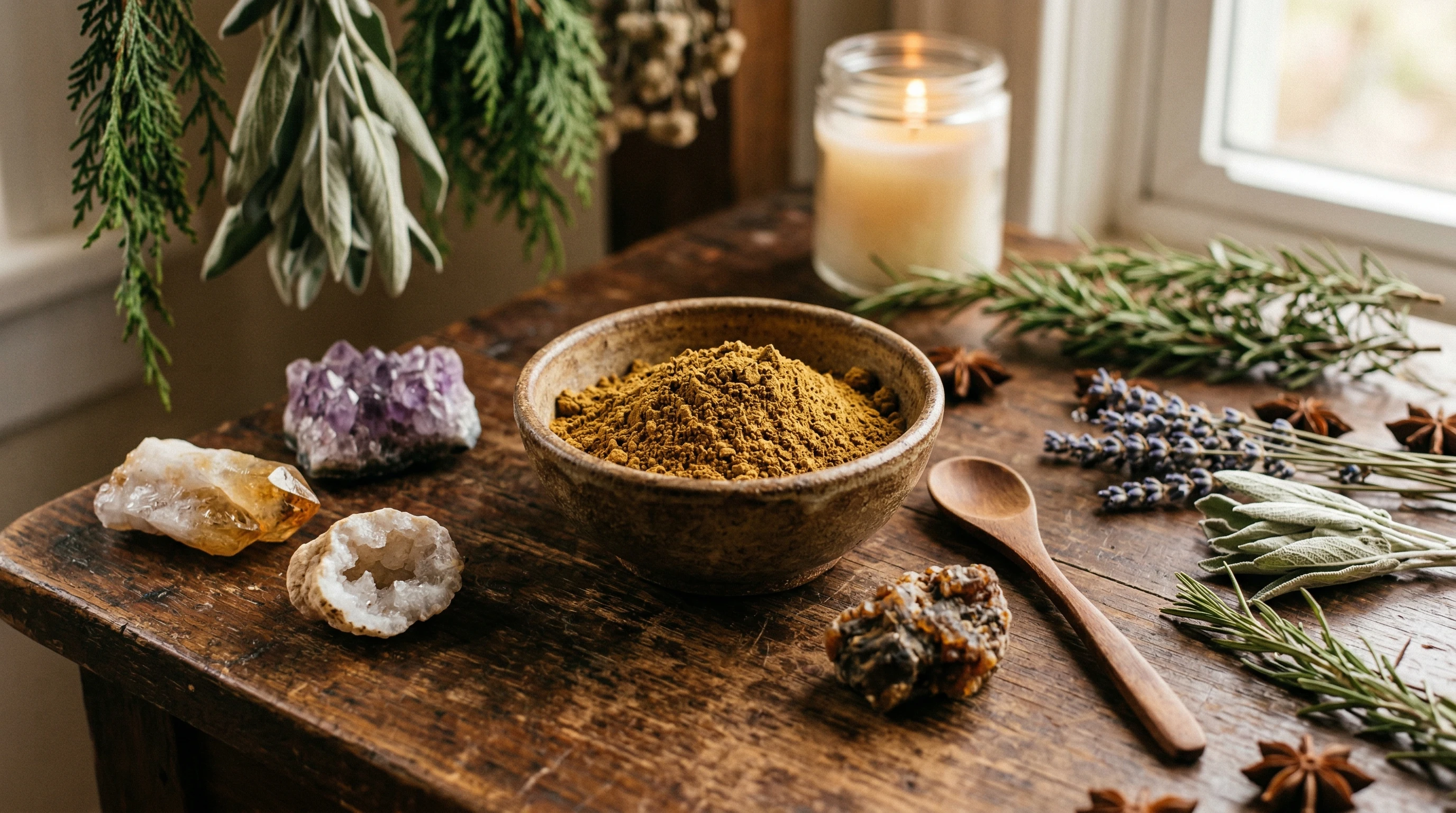
Myrrh is a resin that has been used throughout history for spiritual, medicinal, and even cosmetic purposes. It comes from the Commiphora tree, commonly found in the Middle East and Africa. When dried and ground, the resin turns into a powder with a fragrant, earthy scent. I keep myrrh powder in a sealed jar at home, ready to sprinkle on charcoal burners or add to herbal blends.
The roots of using myrrh go deep into both ancient Egyptian and Ayurvedic practices. In Egypt, myrrh powder played a role in incense, embalming, and ritual purification. Ayurvedic tradition regards myrrh as balancing for Kapha and Vata doshas, thought to clear energetic channels. I have found that myrrh powder is often used in daily routines by people who value mindfulness. For instance, a pinch can be added to incense, infused into oils, or sprinkled in ritual circles to shift the atmosphere in a room. The powder can be especially useful when you want the fragrance and energy of myrrh without the smoke from burning resin. While modern life can feel disconnected from these traditions, I’ve noticed how even a small act, like adding myrrh powder to a candle or homemade sachet, can reconnect us to a sense of ritual and intention. Exploring new ways to use myrrh powder, such as in creativity exercises or mindful journaling (by keeping the powder nearby), has further highlighted its role as a natural bridge between old traditions and present-day wellness routines.
Chakra Healing Basics: A Simple Overview
Chakra healing focuses on the idea that the body has seven major energy centers, each with its unique qualities and associations. When a chakra becomes blocked or sluggish, I can feel unbalanced or physically unwell. Here is a brief look at each chakra and its related area of life:
- Root Chakra (Muladhara): Grounding, safety, and basic needs
- Sacral Chakra (Svadhisthana): Emotions, creativity, sexuality
- Solar Plexus Chakra (Manipura): Willpower, selfesteem, confidence
- Heart Chakra (Anahata): Compassion, love, relationships
- Throat Chakra (Vishuddha): Communication, truth
- Third Eye Chakra (Ajna): Intuition, insight, mental clarity
- Crown Chakra (Sahasrara): Spiritual connection, higher purpose
I have noticed that many people turn to tools like aromatics, sound, movement, and botanicals such as myrrh powder to help switch up or support these energy centers. Gentle application or the use of myrrhinfused products can form a mindful bridge between the physical and energetic experience. For people looking to make their homes more peaceful, setting aside a specific space for chakra work and placing myrrh powder there can be a powerful reminder of selfcare. Additionally, learning to bring awareness to the physical sensations associated with each chakra, while using therapeutic botanicals, can deepen the impact of these practices in both subtle and noticeable ways.
How Myrrh Powder Supports Chakra Healing
Myrrh powder brings natural grounding qualities. When I work with clients or practice meditation myself, I often notice that its earthy, slightly bitter aroma helps me feel anchored, making it ideal for root chakra work. People often struggle with feeling “ungrounded” during stressful times, and holding or placing a small dish of myrrh powder during meditation frequently helps restore that sense of connection to the earth. Sometimes I also recommend visualizing roots extending from your body into the ground while inhaling myrrh’s aroma, as a way to boost feelings of stability and security.
For the heart chakra, myrrh is sometimes paired with rose or frankincense to create calming blends that nurture compassion and forgiveness. I’ve combined myrrh powder with lavender or sandalwood oils, and this pairing helps open the chest both emotionally and energetically. Some users even write intentions or affirmations related to love and forgiveness while sitting near a bowl of myrrh powder, finding that it supports focused selfreflection and healing.
In the context of chakra healing, myrrh powder can be used in several ways:
- Added to a bowl and placed near the body during relaxation or visualization
- Sprinkled around a yoga mat or sacred space to set intention
- Mixed with other botanicals to form incense blends (for those who enjoy smoke cleansing)
- Included in spiritual baths by dissolving a little powder in warm water
I remind people not to apply myrrh powder directly to the skin unless it is specifically blended for that purpose, as it can be drying or irritating for some. My own experiences show that simply having myrrh’s scent present can signal my mind to slow down and get in touch with deeper aspects of myself. It acts almost like an energetic anchor, making it easier to stay present during breathwork, visualization, or mantra practice.
Everyday Uses: Integrating Myrrh Powder into Your Wellness Routine
On a daytoday basis, myrrh powder can fit into a modern home with ease. I use it to set the tone for my morning meditations or to switch the atmosphere after a busy workday. Here are a few practical ways I’ve enjoyed incorporating myrrh powder:
- Mindful cleaning: Adding a pinch of myrrh powder to homemade floor washes. It gives the space a warm, earthy scent and can transform even mundane chores into grounding rituals.
- Incense blends: Mixing myrrh powder with dried rose petals and cinnamon for a calming, aromatic experience, especially handy before bed or after conflict in the home. This mixture also works as a gentle air freshener when placed in open bowls around the house.
- Salt and herb jars: Sprinkling a small amount into jars of Epsom salts, dried chamomile, and lavender for bath rituals, which helps set a peaceful, restorative mood. I also like to add a pinch to sleep sachets placed under pillows for extra relaxation at bedtime.
- Altar or meditation aids: Placing a shallow bowl of powder on my home altar reminds me to pause, breathe, and set positive intentions as I go about my day. Over time, this visual cue has become a habit trigger that encourages mindfulness, even in the midst of busy routines.
Even when I don’t have time for a full meditation, the act of handling the powder and smelling its aroma can bring me back to a more centered place. For those who journal or do creative work, having myrrh powder nearby can create an environment that encourages reflection and focus, helping to foster creativity in subtle ways throughout the day.
Alchemical Salt Blends: Simple Recipes with Myrrh Powder
Many people interested in energy work enjoy making blends of salt and botanicals for rituals or home use. I regularly make small batches for myself and friends, and myrrh powder remains a reliable ingredient in these recipes. The mineral nature of salt works well alongside the grounding scent of myrrh powder, especially for clearing energy or creating a protective environment.
Below is a straightforward formula I have used for a balancing salt blend that benefits the lower chakras (root and sacral):
- 1 cup Epsom salt or fine sea salt
- 1 tablespoon myrrh powder
- 5 drops patchouli or vetiver essential oil
- Optional: A spoonful of dried orange peel for uplifting notes
I mix all the ingredients in a glass jar and shake gently. When I want to release tension or set a grounding intention, I add a generous scoop to bathwater. This works as both a physical and energetic reset. I keep a batch close by during difficult times and notice that the combination refreshes both my body and my mood. You can also experiment by adding dried flower petals or even a few crystals to the mix, making each batch unique and tailored to your intentions. Sharing these homemade blends with friends or in community gatherings can offer a meaningful way to connect and spread a sense of peace throughout your circle.
Common Challenges and How to Handle Them
Like many natural products, myrrh powder does come with a few things to watch out for. First, the scent can be intense, especially in closed spaces. When I first worked with it, I accidentally used too much during a meditation session, and it overwhelmed the room. Now I measure small amounts; less is often more when it comes to aromatics. If you want a milder experience, try mixing the powder with rice or dried herbs, which helps dilute the aroma without losing its benefits.
Another thing to remember is that pure myrrh powder will clump if exposed to too much humidity. I store it in glass containers away from direct sunlight. If you use it in incense blends, be aware that it may leave residue on burners, which means cleaning regularly prevents buildup. For those living in humid climates, adding a few grains of uncooked rice to the container can help keep the powder dry and usable.
Finally, some people may have sensitivities to strong resins, so I advise doing a small patch test before using myrrh powder in baths or topical blends. Sharing experiences with friends or reading online forums helped me better understand what works and what to avoid. Listening to your own body’s feedback is always really important. If you notice any discomfort or irritation, switch to using myrrh powder strictly as an aromatic rather than a bath ingredient.
Tips to Deepen Your Chakra Healing Practice with Myrrh Powder
Through personal experience, I’ve developed some habits that make using myrrh powder more effective and meaningful during chakrafocused work:
Set Clear Intentions: Take a moment before each use to decide what you want to focus on, whether it’s grounding, selflove, or clarity. Visualizing your goal or writing it out can help anchor your practice.
Pair with Breathwork: While inhaling the aroma, I use slow, mindful breathing to support the flow of energy throughout my body. This can turn up the feeling of stability or relaxation and makes the overall practice more potent. Try 4-7-8 breathing or other relaxing patterns for best results.
Cleanse Your Space: I find that clearing out clutter and changing the lighting, alongside using myrrh powder, creates an environment that feels noticeably more peaceful. Adding calming music and a few houseplants can also give a boost to the overall vibe of your chosen space.
Connect to Tradition: Reading about the historical uses of myrrh adds a layer of respect and purpose to modern practices. Whether you follow ancient Egyptian aromatics or Middle Eastern rituals, a little research deepens the experience. Noting the similarities between old customs and modern routines can inspire creative twists in your own healing journey.
Journal Your Experiences: Keeping notes about your mood, energy, and thoughts before and after working with myrrh powder lets you track subtle shifts over time. This selfobservation helps you get a sense of what works best for your unique path and may reveal new insights as you continue practicing.
Frequently Asked Questions
People often want to know how to safely and effectively use myrrh powder in their own routines. Here are some of the most common questions I’ve come across:
Question: Is myrrh powder safe for daily use?
Answer: When used in small amounts and not applied directly to sensitive skin, myrrh powder is generally safe. Always watch for personal sensitivities.
Question: Can I blend myrrh powder with other herbs for chakra work?
Answer: Absolutely. Myrrh pairs well with frankincense, rose, sandalwood, and lavender in various rituals and meditations. Just use moderate portions to avoid overwhelming aromas.
Question: How do I store myrrh powder so it lasts?
Answer: Airtight containers kept away from moisture and sunlight keep the powder dry and aromatic for many months. I sometimes add a silica packet for extra protection in humid climates.
Question: Is it okay to use myrrh powder in the kitchen?
Answer: Most myrrh powder available to the public is for external use only. Even though myrrh was part of food and drink in ancient cultures, stick with culinarygrade products if you want to ingest it. Always check the sourcing and labeling.
My Thoughts on Getting the Most from Myrrh Powder and Chakras
Bringing myrrh powder into chakra healing routines has added both depth and practicality to my own wellbeing adventure. The scent and symbolism built into this resin make it accessible for anyone interested in grounding rituals or exploring subtle energy work. Small, mindful changes—like adding powder to a bath or keeping a ritual bowl in your space—can create noticeable shifts in your daily routine. By listening closely to your own responses and adjusting traditions to your lifestyle, you’ll likely stumble upon new ways to bring more balance, peace, and clarity into your life. With a little curiosity, practice, and openness, the use of myrrh powder may become a core part of personal healing and mindfulness that continues to grow and evolve along with you.