
Helichrysum Essential Oil Chakra Healing Benefits
Helichrysum essential oil has become popular for the many ways it can support well-being and everyday comfort. Distilled from the flowering plant Helichrysum italicum, this oil is sometimes called “immortelle” or “everlasting” because the plant’s bright yellow color sticks around even after drying. I’ve noticed many folks are drawn to helichrysum oil thanks to its gentle, comforting scent and the reputation it has for soothing skin and helping with overall wellness. In this article, I’ll walk through what makes helichrysum essential oil unique, the key benefits, tips for use, and some things to keep in mind for safe application.
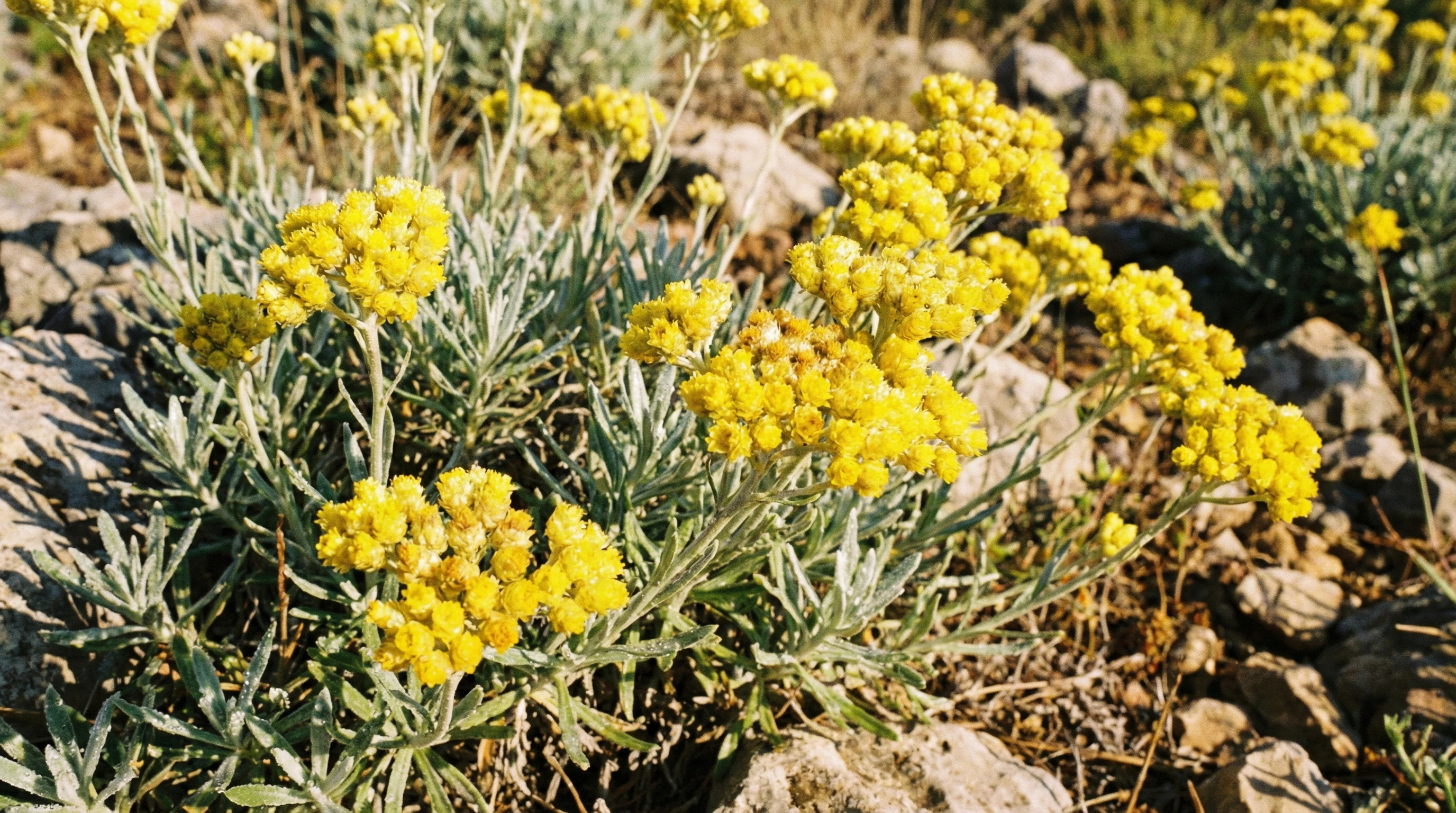
Helichrysum Essential Oil: Chakra Healing Benefits
Helichrysum essential oil—often called Immortelle—is widely regarded in energy healing traditions as an oil of restoration and deep emotional repair. Its warm, herbaceous aroma carries a stabilizing frequency that supports the body’s ability to release stored emotional tension while restoring inner balance. Within chakra work, Helichrysum is most closely associated with the Solar Plexus Chakra, while also gently supporting the Heart Chakra.
Solar Plexus Chakra Support
The Solar Plexus Chakra governs personal power, confidence, identity, and emotional processing. When this energy center becomes burdened by past experiences, self-doubt, or unresolved emotional pain, it can manifest as insecurity, fatigue, or a sense of being stuck.
Helichrysum is believed to help clear this energetic stagnation by encouraging the release of deeply held emotional patterns. Its frequency is often used to help restore self-trust and personal authority, allowing individuals to reconnect with their inner strength and sense of purpose. When used intentionally during meditation or applied (properly diluted) over the upper abdomen, Helichrysum may help create a feeling of warmth, courage, and emotional resilience.
Heart Chakra Healing
In addition to its Solar Plexus support, Helichrysum also carries gentle qualities that resonate with the Heart Chakra, the center of compassion, forgiveness, and emotional renewal. The oil is often used in heart-centered healing practices to help soften lingering grief, release emotional scars, and restore openness to love and connection.
This dual action—strengthening the Solar Plexus while soothing the Heart—makes Helichrysum particularly valuable in energy work aimed at healing the relationship between self-worth and emotional vulnerability.
Energetic Integration
Because Helichrysum bridges these two centers, it supports a powerful energetic integration: the ability to stand confidently in one’s identity while maintaining an open, compassionate heart. For this reason, many Reiki practitioners and energy healers incorporate Helichrysum into rituals designed to support emotional transformation, self-acceptance, and spiritual renewal.
In everyday practice, Helichrysum can be diffused during meditation, added to a diluted massage blend for the chest or upper abdomen, or used during reflective rituals where emotional healing and personal empowerment are the focus.
Getting to Know Helichrysum Essential Oil
The first time I tried helichrysum essential oil, I noticed its sweet, earthy fragrance. The oil comes from the tiny, golden flowers and silvery leaves of the Helichrysum italicum plant, which grows naturally around the Mediterranean. It takes a big batch of plant material to fill even a small bottle of oil, so it makes sense that helichrysum oil is often a bit pricier than others.
Helichrysum oil has a rich background in traditional health and skincare practices. Its history in soothing irritated or stressed skin and part in homemade wellness blends is well known, especially in regions like Italy and France. The oil contains natural compounds such as neryl acetate, italidione, and alphapinene, which each offer unique properties that support its gentle, calming, and cleansing abilities.
Major Benefits of Helichrysum Essential Oil
Helichrysum essential oil stands out because of its mix of soothing, restorative, and gentle qualities. Here are the benefits that I think are most useful if you’re curious about this oil:
- Skin Comfort and Recovery: One of the top reasons people reach for helichrysum oil is to comfort skin that feels stressed, overexposed, or irritated. It helps smooth rough patches, calm dry or red spots, and generally give a boost to tired-looking skin. Many natural skincare products blend it in for these gentle effects.
- Easy on Sensitive Skin: Unlike many strong essential oils, helichrysum is known for being suitable for sensitive types. It’s great when mixed with a carrier oil, like coconut or jojoba oil, for a gentle facial massage or spot application.
- Promotes a Sense of Calm: Breathing in the scent of helichrysum oil can help quiet the mind. It works well in a diffuser if you want to set a peaceful mood, especially before bedtime or during stressful moments.
- Supports Everyday Recovery: Runners, athletes, and anyone with tired muscles after activity may find relief with massage blends featuring helichrysum. Its comforting properties are popular for those seeking to soothe muscle tension after physical exertion.
- Natural Cleansing: With its history as a natural cleanser, helichrysum oil goes into homemade cleaning solutions and simple deodorant blends for its gentle yet effective touch.
How to Use Helichrysum Essential Oil
Helichrysum oil is versatile. I like that it can be used in a few different ways, making it easy to fit into both daily wellness routines and special care routines.
- Skin Support: Mix one or two drops of helichrysum essential oil with a carrier oil, then gently apply to areas of need. Think dry elbows, sun-exposed cheeks, or places that feel rough. Always start with a small amount and do a patch test first to ensure your skin agrees.
- Diffuse for Calm: Put a couple of drops in your room diffuser for a comforting aroma. It’s fantastic for creating a relaxing environment at the end of a long day or while meditating.
- Massage Blend: Blend with a neutral carrier oil, like fractionated coconut oil or sweet almond oil, for a post-activity massage. It pairs beautifully with lavender or eucalyptus for a home-spa experience.
- DIY Skin and Body Care: Helichrysum oil fits perfectly into homemade balms, creams, or body butters. I’ve tried it in facial serums for extra soothing care.
- Aromatherapy On the Go: Add a drop to a cotton ball or pocket inhaler for calming comfort when traveling or when you want quick stress relief on busy days.
What to Consider Before Using Helichrysum Essential Oil
As with anything new, checking a few things before adding helichrysum oil to your routine is really important for the best experience:
- Patch Test: Though it’s generally gentle, I always do a patch test on a small section of skin, like the forearm, just in case of a reaction before spreading it more widely.
- Proper Dilution: Always dilute essential oils, especially for the face or delicate areas. A typical guide recommends 1-3 drops per tablespoon of carrier oil.
- Check for Allergies: If you’re sensitive to plants in the Asteraceae family, such as daisies, use caution or talk to a professional first before trying helichrysum oil.
- Source and Purity: Helichrysum quality varies, so look for reputable brands with third-party testing or batch reports. Watch ingredient lists for hidden carrier oils or fillers.
- Pregnancy and Children: Though helichrysum oil is mild, always consult with a healthcare provider if pregnant or considering use with children.
Gentle on Skin, but Use With Care
Many people enjoy incorporating helichrysum essential oil into their daily skin routines, but like anything, too much can cause irritation. Staying moderate and careful with dilution is key for long-term satisfaction and comfort.
Choosing a Good Helichrysum Oil
Helichrysum oil costs a bit more because making it is so labor intensive. I always select bottles that clearly state “Helichrysum italicum,” show the country of origin, and offer third-party test results. Some cheaper bottles are diluted with other oils, so checking the ingredient label is a must.
A quality oil should smell sweet, earthy, and have a faint honey scent. It shouldn’t have a harsh or synthetic smell at all.
Real-Life Uses for Helichrysum Essential Oil
Through conversations with friends, reading stories online, and personal experiments, I’ve seen helichrysum oil shine in everyday life for these creative uses:
- After Shaving: Adding a drop to unscented lotion or balm for calming post-shave skin, which can help with that itchy, irritated feeling.
- Minor Bumps and Bruises: Applying a diluted drop to the area brings comfort and helps improve the skin’s appearance, based on common user reports.
- Facial Care: Mixing a drop into a favorite serum or facial oil for more soothing care, especially when skin feels extra sensitive.
- Mindfulness and Relaxation: Using helichrysum oil aromatically during mindfulness or yoga sessions really adds to the sense of relaxation.
- Home Remedies: Including it in DIY salves for dry lips, minor scrapes, or rough cuticles.
Many wellness educators and aromatherapy experts point to its calming and comforting effects for these uses. For added safety info and details, I suggest checking out the National Association for Holistic Aromatherapy (NAHA).
Frequently Asked Questions About Helichrysum Essential Oil
Can I use helichrysum essential oil directly on my skin?
It’s always safer to dilute helichrysum essential oil in a carrier oil first. Applying it straight can still be too strong, even for a gentle oil like this.
What does helichrysum essential oil smell like?
It has a sweet, earthy aroma with a touch of honey, and it’s very comforting and soft—much less sharp than many other oils.
Is helichrysum oil good for scars or blemishes?
Many people add it to their routines for skin with minor scars or old blemishes. Even though it’s popular for these uses, I recommend that it’s always best paired with a consistent skincare regimen and sun protection for better results.
Can I take helichrysum essential oil internally?
I strongly advise against using helichrysum oil internally unless you are working closely with a trained health professional who understands essential oils thoroughly.
Is it safe for children and pets?
Always ask a pediatrician or vet before using any oils around kids or animals, since their systems are more sensitive and need gentler care.
Helichrysum Essential Oil: Wrapping Up
Helichrysum essential oil stands out as a solid choice for gentle comfort, whether in skincare or aromatherapy. I really like how effortlessly it fits into an everyday routine, especially for anyone who wants to use natural ways to soothe, cleanse, and support skin health. As with any essential oil, always use with care, do a skin check, and pay attention to your body’s response.
Trying helichrysum essential oil can add a calming, uplifting note to your regular routine. Whether you reach for it for personal care, relaxing evenings, or supporting active recovery, this special oil offers plenty to anyone interested in gentle, natural scents and holistic self-care practices.
This is a really thorough and informative guide! I love how you cover both the skincare and aromatherapy benefits of helichrysum oil, along with practical tips for safe use and dilution. The tips on patch testing, choosing quality oil, and everyday uses make it very beginner-friendly.
It’s a great resource for anyone looking to incorporate this gentle, soothing oil into their wellness routine!
Hi Monica — thank you so much for taking the time to share this thoughtful feedback.
I’m really glad you found the guide both thorough and beginner-friendly. Helichrysum is such a beautiful oil, and I wanted to make sure its benefits felt approachable rather than overwhelming—especially when it comes to safe use, dilution, and quality sourcing.
It’s wonderful to hear that the balance between skincare and aromatherapy stood out for you. This oil has a naturally gentle, restorative energy, and when used with intention and care, it can become a very supportive part of a wellness routine.
Thank you again for your kind words and for being part of this healing-focused community. I appreciate you being here
Okay, the essential oil element I can definitely understand, because my wife is heavily involved in a health and wellness company that specializes in that sort of thing. The last time I heard the term chakras was in a yoga studio, so I can relate to that detail, as well. My wife and I are avid readers of the Bible, so I can certainly appreciate the element of the Seven Churches of Revelation. Just how does all of this tie together?
Thank you so much for this thoughtful question, Adam — I really appreciate the way you’re engaging with the material.
At its core, what I explore on Chakra and Energy Healing is the idea that different traditions have used different languages to describe the same inner human experience: growth, purification, discernment, and alignment with God (or divine truth).
Here’s how those elements connect in a grounded, non-dogmatic way:
Essential oils, like helichrysum, work on the physical and emotional level. Their aroma can calm the nervous system, support reflection, and help the body slow down — which is something Scripture also encourages (“be still and know…”). In that sense, oils are not spiritual replacements, but supports for embodied awareness.Chakras, as I present them, are not meant to compete with faith or Scripture. They’re a symbolic framework for understanding how humans process fear, love, truth, will, compassion, and wisdom through the body and mind. You can think of them much like biblical metaphors — “the heart,” “the loins,” “the mind renewed,” or “having eyes to see and ears to hear.”The Seven Churches of Revelation (even though this is not mentioned in this article) are especially interesting because they describe seven spiritual conditions— courage, love, compromise, truth, endurance, discernment, and spiritual maturity. Many readers notice that these qualities map naturally onto stages of inner development. When people draw parallels between the Seven Churches and the chakra system, it’s not to merge religions, but to show how the human journey toward alignment has been observed repeatedly across cultures.
So rather than saying, “this replaces Scripture,” I frame it as:
Different lenses describing the same process of refining the inner life.
For readers grounded in the Bible, this can be approached purely as reflection and discernment — noticing where we feel blocked, hardened, open, or receptive, and using tools like prayer, stillness, journaling, breath, or even aroma to create space for insight.
I always encourage people to stay rooted in what resonates with their faith and conscience. These tools are optional, supportive, and symbolic — not sources of power in themselves.
Thank you again for asking such a sincere and bridging question. Conversations like this are exactly why I write.
Hello!
I really enjoyed this article — thank you for explaining helichrysum oil in a way that feels practical and not overly “woo.” I’ve seen this oil mentioned a few times but never really knew what it was best for, so reading about its benefits (especially around skin and calming support) was super helpful. I’m curious — when you use helichrysum, do you have a favorite way to apply it (like blending with another oil or using it in the evening)? And have you noticed certain situations where it seems to work better than others?
This definitely gave me a clearer view of how I might actually use it rather than just reading about it!
Angela M 🙂
Hi Angela,
Thank you so much for your thoughtful comment — I really appreciate you noticing the intention behind keeping the article practical and grounded. Helichrysum is often talked about in very abstract ways, so I’m glad the everyday uses came through clearly.
When I work with helichrysum, I tend to keep it simple. My favorite approach is diluting a drop or two in a gentle carrier oil like jojoba or sweet almond and applying it in the evening, especially to areas where the body tends to hold tension (the shoulders, chest, or even the soles of the feet). I also like blending it with calming oils such as lavender or frankincense when I’m winding down, journaling, or doing quiet breathwork.
I’ve noticed it feels most supportive during times of emotional processing, skin irritation, or when I want to gently “reset” after a long or stressful day. It doesn’t feel forceful — more like a quiet companion that supports calming, repair, and reflection rather than pushing for change.
I love that you mentioned wanting to actually use it rather than just read about it — that’s really where these tools shine. Starting slowly and noticing how it feels in different moments is always the best guide.
Thanks again for sharing your curiosity and experience — it adds so much to the conversation.
This is a wonderfully detailed and well-researched guide to Helichrysum oil. You’ve covered its wide-ranging benefits—from skin healing and anti-inflammatory properties to emotional support for releasing old trauma—with great clarity. The practical application methods (dilution ratios, diffusion blends) make the information immediately usable. It’s a fantastic resource for anyone looking to understand why this oil is so highly valued in holistic practices.
Thank you so much, Cian — I really appreciate you taking the time to share such thoughtful feedback.
Helichrysum is one of those oils that truly bridges the physical and the emotional, so I’m glad the way its benefits were presented felt clear and practical rather than abstract. I’m especially happy to hear the application details stood out for you, since having simple, usable guidance makes it much easier to work with an oil consistently and safely.
It’s always encouraging to know the research and care behind these guides resonate with readers who value holistic practices. Thank you again for your kind words and for engaging so deeply with the material — it means a lot.
“Major Benefits of Helichrysum Essential Oil” really stands out because it highlights how versatile and gentle this oil is for both skin and overall well-being. I found the part about its suitability for sensitive skin particularly compelling, as it shows that even those who usually avoid essential oils can safely incorporate it into daily routines. The way it can be used for muscle recovery, calming the mind, and even as a natural cleanser illustrates how multi-functional it is, making it a valuable addition to wellness practices. How long does it typically take to notice improvements in skin comfort or muscle relief when using helichrysum oil regularly? Also, are there any recommended combinations with other essential oils that enhance its calming or restorative effects without irritating sensitive skin?
Thank you so much for this thoughtful reflection — you highlighted exactly why Helichrysum is considered one of the most spiritually and physically restorative essential oils we have. Its gentleness without losing potency is truly rare, and your insight about its suitability for sensitive skin is spot-on. Many people who struggle with other oils finally find comfort and reliability in Helichrysum.
How long it takes to notice improvements
Most people begin to notice subtle shifts in skin comfort within 3–7 days of consistent use — especially when it’s applied with a nourishing carrier oil like jojoba or rosehip.
For muscle relief, the effects are often more immediate. Many experience a softening of tension within 10–20 minutes, with deeper relief developing over several days of regular use.
Recommended combinations for sensitive skin
Helichrysum blends beautifully with other calming and restorative oils that are also gentle on the skin. Some of the best combinations include:
Lavender — enhances emotional calm, reduces irritation, and deepens relaxation.Roman Chamomile — perfect for ultra-sensitive skin; adds a soothing emotional layer.Frankincense — supports skin renewal and grounding without being overwhelming.Sweet Orange — uplifting and brightening while staying gentle and skin-friendly.
You can pair any of these with Helichrysum in a 1–2% dilution to maintain safety and comfort, especially for those with reactive skin.
Feel free to share how you’re using Helichrysum in your own routine — your experiences may help someone new to this beautiful plant ally find their way.