Lemongrass And Chakra Healing
Lemongrass might seem like just another culinary or aromatic herb, but in many wellness traditions, it plays a meaningful role far beyond the kitchen. When I first started exploring holistic health, I was curious about how everyday plants connect with spiritual practices. Lemongrass kept coming up when I read about chakra healing, so I decided to check out what the connection is all about. In this article, I’ll share everything I’ve learned, so you can decide if lemongrass has a place in your own chakra-balancing routine.
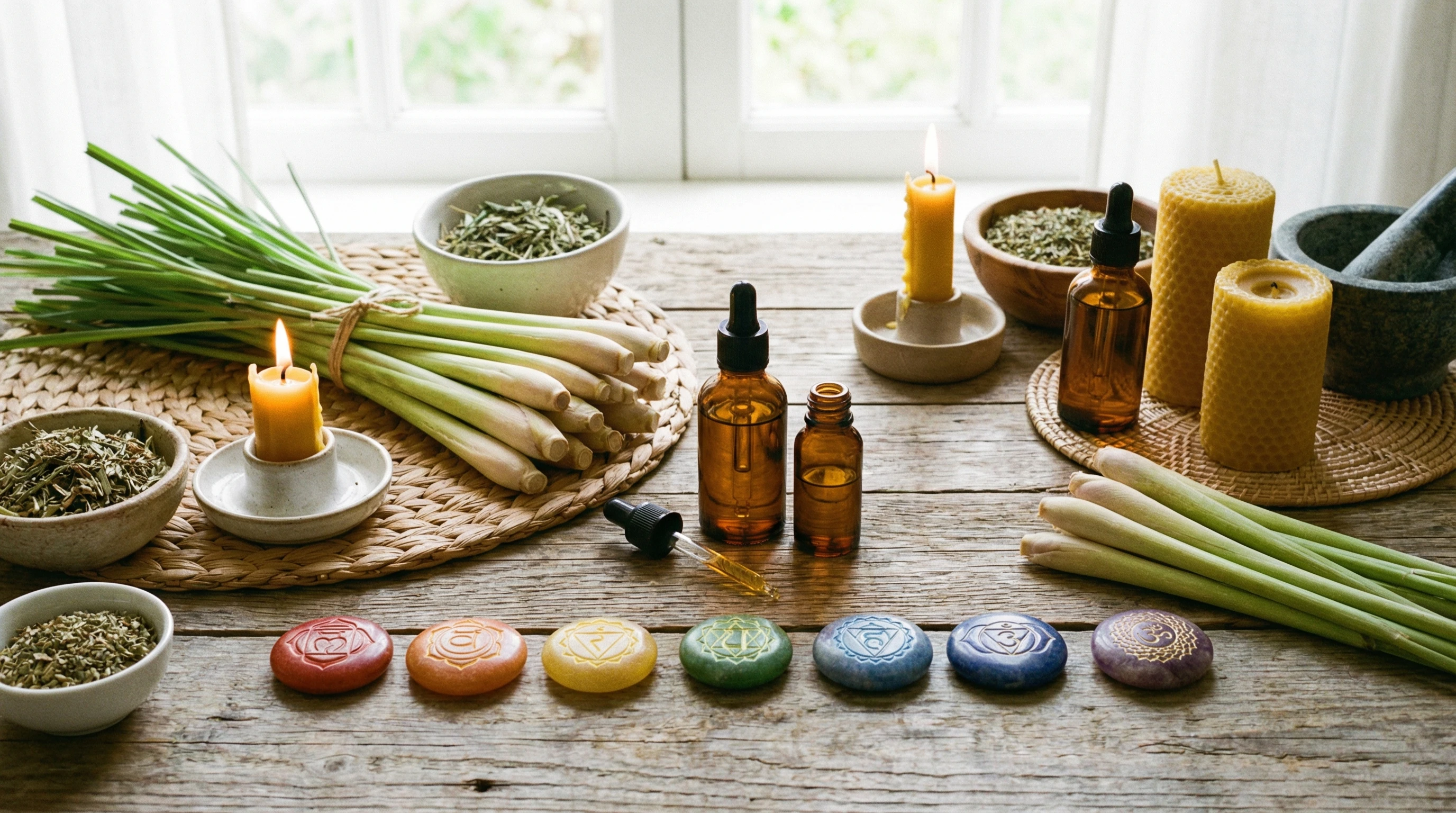
Understanding Lemongrass and Its Role in Mind-Body Practices
Lemongrass, known scientifically as Cymbopogon citratus, is a tall, stalky plant used in food, tea, and essential oils. In my experience, its lemony scent is instantly refreshing, and I’ve found that its oil adds a lively touch whether in a room diffuser or homemade skin products. While it’s native to regions like Southeast Asia, lemongrass has made its way into rituals and remedies all over the world. Traditional medicine systems, such as Ayurveda, often suggest lemongrass for clearing negative energies and calming anxious minds. That’s why it’s become a favorite among people who combine herbs with energy healing.
Lemongrass carries two key qualities valued in energy and chakra work: cleansing and energizing. The oil is popular in aromatherapy circles because it helps create a sense of clarity, making it easier to focus or meditate. Even personal stories from friends suggest that using lemongrass, whether as a tea or in a bath, can help shake off heavy feelings after a long day. It’s these balancing and uplifting properties that made me want to try lemongrass during my chakra meditations. Besides, its versatility in wellness routines makes it easy to include whether you enjoy teas, skin care, or home rituals.
Connecting Lemongrass with Chakras: What You Need to Know
Chakra healing centers around the idea that our bodies have seven main energy points, each linked with certain emotions, behaviors, and aspects of wellbeing. When I got into chakras, I learned that blockages or imbalances in these areas might show up as stress, fatigue, or mood changes. Many guides recommend herbs, sounds, crystals, and movement for keeping chakras balanced, and lemongrass stands out for a few specific reasons.
Lemongrass is especially linked with the Solar Plexus Chakra (Manipura) and sometimes the Heart Chakra (Anahata). The Solar Plexus Chakra, located just above the navel, relates to confidence, motivation, and willpower. I’ve found that using lemongrass oil in this area when feeling low on self-esteem has a surprisingly uplifting effect. The Heart Chakra, sitting at the center of the chest, connects with love and emotional openness. Some teachers recommend lemongrass tea or scented oil during heart-focused meditations to foster emotional release or forgive past hurts.
- Solar Plexus Chakra: Lemongrass’s energizing scent helps clear mental fog, supports confidence, and encourages forward momentum.
- Heart Chakra: Its gentle, bright fragrance can help soothe stress and open the heart to more compassion, for both self and others.
Certain alternative wellness resources, like the National Center for Biotechnology Information, detail lemongrass’s calming and anti-inflammatory properties. These effects often translate into emotional and energetic practices, making it a useful companion for chakra work. Many people stumble upon additional benefits, such as a boost in mood or a renewed sense of focus when integrating lemongrass.
Ways to Use Lemongrass for Chakra Healing
Integrating lemongrass into my chakra practices required some experimenting, but I quickly found a few approaches that made a clear difference in my experience. Here’s what worked for me, along with some safety tips to keep in mind.
- Aromatherapy Baths: I add a few drops of lemongrass essential oil to a warm bath, focus my intention on the Solar Plexus or Heart Chakra, and breathe deeply. This is both relaxing and energizing, depending on which chakra I’m working with.
- Diffuser Sessions: Diffusing lemongrass oil during meditation or yoga helps clear my head and brings a fresh, focused energy to the space. Sometimes, I add a drop of lavender for extra calm if I’m feeling anxious.
- Lemongrass Tea: Sipping a warm cup of lemongrass tea before journaling or reflecting on emotions helps me tune in to my body and thoughts. It blends physical calm with emotional clarity, making it ideal for heart-centered or solar plexus rituals.
- Direct Application (Diluted): Being careful, I dilute lemongrass essential oil with a carrier oil and apply it over the Solar Plexus area with slow, clockwise circles. This feels grounding and helps me focus on self-worth and motivation.
When working with essential oils, it’s essential to test for sensitivity since lemongrass can be strong and might irritate skin if undiluted. I always check reliable resources and, if unsure, ask an aromatherapist. Keep essential oils away from eyes and sensitive skin, and don’t ingest them unless a certified health practitioner recommends it.
Common Challenges and How to Work Around Them
Trying out new herbal practices for chakra work isn’t always straightforward. When I got started with lemongrass, a few things stood out as especially important to pay attention to:
- Sensitivity to Fragrance: Lemongrass oil is potent. When I first used too much, the aroma was overwhelming. If this happens, switch to small amounts or use lemongrass tea instead.
- Allergic Reactions: Like any essential oil, lemongrass can sometimes cause skin irritation or allergic responses. I always do a patch test on my forearm and wait 24 hours before trying a new oil in a diffuser or applying it on my skin.
- Maintaining Consistency: Chakra practices give the best results with regular use. I make space every few days for lemongrass routines, instead of saving it only for stressful moments.
Making these tweaks has helped me use lemongrass more effectively while exploring chakra healing. If you have sensitive skin or asthma, you may find that gentle inhalation with a diffuser suits you better than direct contact with the oil.
Tips to Make the Most of Lemongrass in Chakra Healing
After a lot of trial and error, I’ve put together some tips that really boost the effect of lemongrass with chakra work:
Set Clear Intentions: Before meditating, taking a bath, or drinking tea, I pause to set a specific goal—like focusing on courage, easing self-criticism, or opening up emotionally. Lemongrass seems to help anchor these goals.
Combine with Visualization: While using lemongrass, I imagine energy flowing boldly through my body, particularly around the Solar Plexus and Heart Chakras. I’ll picture a warm yellow (for solar plexus) or green (for heart) glow expanding with each breath.
Pair with Other Healing Methods: I’ve found lemongrass works great teamed up with sound bowls, mindful breathwork, or gentle heart-opening yoga poses. Using multisensory techniques keeps my routine fresh and encourages relaxation.
Don’t forget, you can also connect with the natural element of lemongrass by tending to the plant itself, growing a small pot on your windowsill, and including it in your daily awareness practice for an added sense of connection to nature.
How Lemongrass and Chakra Healing Work in Everyday Life
Talking to friends who use plants and oils for energetic work, I hear stories of subtle but clear benefits. For me, the main draw of lemongrass is its power to bring clarity and lift emotional heaviness. On tough days, just 10 minutes with lemongrass in the diffuser or a cup of tea helps me reset and approach challenges with renewed energy.
- Morning Meditations: Breathing in lemongrass helps me start with positivity, especially if I need motivation or confidence for new projects.
- Evening Rituals: After stressful days, lemongrass tea or bath soaks help shift my mood and set me up for more restful sleep.
- Emotional Tune-Ups: During difficult times, chakra meditations with lemongrass oil help release stuck emotions and transform stress into productive energy.
Results might be gradual, but regularly using lemongrass for chakra healing has brought me more emotional stability, mental clarity, and comfort in myself. Some friends also mention improved focus or feeling more open to emotional growth after including lemongrass in their practices.
Frequently Asked Questions
Question: Can I use fresh lemongrass instead of essential oil for chakra rituals?
Answer: Absolutely. Fresh lemongrass can be crushed and added to teas, bathwater, or tucked under your pillow. The scent is milder but still does the trick, especially for those who prefer less intense aromas.
Question: Are there any risks to using lemongrass oil?
Answer: Lemongrass essential oil is highly concentrated. Always dilute it with carrier oil before applying to skin, and look out for irritation. Avoid using it undiluted, particularly on kids or pets.
Question: Which chakras respond best to lemongrass?
Answer: Most experts link lemongrass with the Solar Plexus and Heart Chakras, but it can also support rituals for other chakras if you want to try it out. Testing it with your own energy routines will help you spot what works best for you.
Question: Can I combine lemongrass with other herbs for chakra work?
Answer: Yes. I like blending lemongrass with herbs like chamomile for calm or peppermint for uplift in teas and diffusers. Mixing herbs helps tailor your chakra routine depending on your needs at the moment.
Bringing Lemongrass Into Your Chakra Healing Practice
Lemongrass offers a simple, pleasant way to give a boost to your energy and emotions, whether you’re new to chakra healing or you want to set free new tools in your holistic kit. With its bright scent and gentle balancing effects, my own experience shows that small, steady practices really add up. If you choose to explore lemongrass for chakra healing, keep your routine enjoyable and adapt it based on your response. Remember, self-care is personal—so trust your instincts and experiment to find the best approach for you.
Hello!
Thank you for this — I really enjoyed reading about lemongrass in a way that feels both practical and grounded. I’ve always loved the fresh, uplifting scent of lemongrass, but I never really thought about how it could connect to energy or chakra work. Your explanation helped me see it not just as a pretty aroma or addition to food, but as something that can actually support clarity and grounding when used with intention.
I’m curious about a couple of things as I think about adding this into my own routine: when you use lemongrass for chakra work, do you prefer it fresh, as an essential oil, or both depending on the situation? And for someone who’s newer to chakra practices, is there a gentle way to start incorporating it without feeling overwhelmed? Thanks again for making this feel accessible and inspiring — I’m excited to explore this more!
Angela M 🙂
Hi Angela
Thank you so much for such a thoughtful and reflective comment — I really love how you described experiencing lemongrass as both uplifting and grounding. That’s exactly the balance I hope people feel when working with it.
To your first question: I personally use both fresh lemongrass and essential oil, depending on the intention and setting.
Fresh lemongrass feels very gentle and embodied — great for teas, cooking, or even keeping a stalk nearby while journaling or setting intentions. It’s subtle and grounding, especially when I want clarity without stimulation.Lemongrass essential oil is more focused and immediate. I’ll often diffuse it or use a very well-diluted drop on the feet or lower abdomen when working with grounding, clearing mental clutter, or supporting the solar plexus.
For someone newer to chakra practices, a really gentle way to begin is to keep it simple and sensory. You might try one of these:
Diffuse lemongrass for a few minutes while taking slow breaths and noticing how your body feelsSip lemongrass tea while setting a simple intention like “I’m creating space for clarity today”Use the scent as a cue to pause, breathe, and come back into the present moment
There’s no need to “do it all” or get technical — chakra work can be very quiet, intuitive, and personal. Often the body responds before the mind needs to understand anything at all.
I’m really glad this opened a new door for you, and I love that you’re approaching it with curiosity rather than pressure. Thank you again for sharing your experience — it adds so much to the conversation.
I really enjoyed reading your thoughts on how lemongrass can support chakra healing and energy work. The way you describe its role beyond just a culinary herb, especially in relation to emotional clarity and boosting confidence through the Solar Plexus and Heart Chakras, was very insightful. I also appreciate the practical suggestions like using lemongrass in a diffuser or tea to enhance focus and calm. I’m curious, have you noticed any differences in effects when using fresh lemongrass versus essential oil during meditation or chakra-balancing sessions?
Hi Hanna,
Thank you so much for this thoughtful comment — I’m really glad the way lemongrass was presented resonated with you
You captured its essence beautifully, especially that balance between clarity, confidence, and calm.
To your question: yes, I do notice a subtle difference between fresh lemongrass and lemongrass essential oil, and I tend to choose based on the intention of the practice.
Fresh lemongrass (as tea or gently simmered) feels softer and more grounding to me. It works especially well when I’m focusing on emotional clarity, gentle heart opening, or calming the nervous system. It has a nurturing, embodied quality that supports reflection and presence.Lemongrass essential oil, on the other hand, feels more immediate and activating. During meditation or chakra-balancing sessions—particularly with the Solar Plexus Chakra—it can sharpen focus, boost confidence, and help cut through mental fog more quickly. A few drops in a diffuser or inhaled gently before practice is often enough.
Both are wonderful — it really comes down to whether you’re seeking a gentle, grounding experience or a clear, energizing shift. I often encourage people to trust their body’s response and even alternate between the two depending on how they’re feeling that day.
Thank you again for engaging so deeply with the topic. Your curiosity adds so much richness to these conversations
Hello,
I have been browsing holistic health eBooks lately to learn more about this type of health. Since I am brand new to this, I thought I would visit your website to learn more.
After reading about Lemongrass, I must admit I am more interested in using Lemongrass for my own health. One thing that concerns me is lemongrass known to be highly allergic, I have experienced allergy reactions to some grasses and plants. So this a concern to me about using this plant.
Your suggestions on using lemongrass and allergic reactions has been very helpful to me, doing a patch on my arm has me feeling less anxious about an allergic reaction that I never considered. I am very thankful that you was thoughtful enough to share about allergies to lemongrass, this was something that I was extremely concerned about.
I found your section on how to use lemongrass and Chakra Healing very informational for getting started,
Thank you for a very good article,
Jeff
Hi Jeff,
Thank you so much for taking the time to share this thoughtful comment — I’m really glad you found the article helpful.
It’s completely understandable to be cautious, especially when you already know you’re sensitive to certain grasses or plants. That awareness is actually one of the best foundations for holistic health. Starting slowly, listening to your body, and using tools like patch testing can make exploring plant-based support feel much safer and more empowering rather than stressful.
I’m especially happy to hear that the allergy precautions helped ease your anxiety. Lemongrass can be a wonderful ally for clarity and energy, but it’s never meant to be approached in a “push through” way. Gentle introductions, low dilution, and even choosing aromatic use (like diffusing) over skin application at first are all valid ways to explore without overwhelming your system.
Since you’re brand new to this space, you’re doing exactly the right thing — learning, asking questions, and moving at your own pace. Chakra and energy healing aren’t about doing everything at once; they’re about building trust with yourself and your body over time.
Thank you again for your kind words and for being here. I’m glad the article could support you as you begin your holistic health journey, and I hope you continue to find resources that feel both informative and safe as you explore.
Lemongrass isn’t something I drink a lot but have occasionally it with a green juice drink, or something similar. As far as Chakra healing goes it’s got me a lot more intrigued because I didn’t even become aware of how it’s spiritual and boost energy until watching the anime Naruto.
Thank you for sharing that, Adrian — I love that your curiosity about lemongrass and energy work was sparked through Naruto. It’s actually a great example of how storytelling and symbolism can open the door to spiritual concepts before we even realize what we’re absorbing. Many anime series explore themes like life force, clarity, purification, and inner power, which align closely with how lemongrass is viewed energetically.
Lemongrass has a naturally uplifting, cleansing quality, so it makes sense that it stood out to you as something connected to energy and awareness. Even when used casually, like in green juices or teas, it can subtly support clarity and motivation. When approached intentionally through chakra work, that same bright, clearing energy can help refresh the solar plexus and clear stagnant mental or emotional energy. It’s always interesting to notice how familiar things take on deeper meaning once you start looking at them through an energetic lens — and it sounds like you’re right at that doorway.
I love the smell of lemon grass and often put it in the house for its fresh smell. I had no idea that it had so many other magic powers like promoting mental clarity and even help soothe stress and open the heart to more compassion.
I also see that just putting it in the house doesn’t quite do it. But you have given some lovely ways to unleash the full power of this plant. But I will definitely try tucking some under my pillow as suggested.
Michel, thank you so much for sharing this! Lemongrass has such a bright, uplifting aroma that many people start using it simply because it makes the home feel fresh — and only later discover how deeply supportive it can be for the mind, heart, and emotional body. You’re definitely not alone in that!
What you said is exactly right: the scent alone is lovely, but when we engage with lemongrass a little more intentionally, its deeper gifts begin to unfold. Its energy is wonderful for:
clearing mental fogeasing tension and stressopening the heart to compassioncreating emotional clarity and focusrefreshing the atmosphere of a space
Tucking a small amount under your pillow can be surprisingly soothing. Many people notice:
a calmer mind before sleepless emotional heavinessclearer dreams or better dream recalla gentle feeling of being supported and grounded
If the scent feels too strong directly under the pillow, placing it in a sachet nearby, or using a drop of diluted essential oil on a tissue, is a softer option that still works beautifully.
I’m so glad you’re excited to explore its fuller potential. Plants are amazing companions when we invite them in with intention — and lemongrass is one of the most generous.